Two teams of researchers. Two studies. One shared conviction: the best clinical questions are the ones that keep you up at night.
There is a particular kind of scientific restlessness that tends to produce good research. It is not the ambition to publish, nor the pressure to produce. It is something closer to irritation – a clinician standing at the chair, watching a pattern they cannot explain, refusing to let it go.
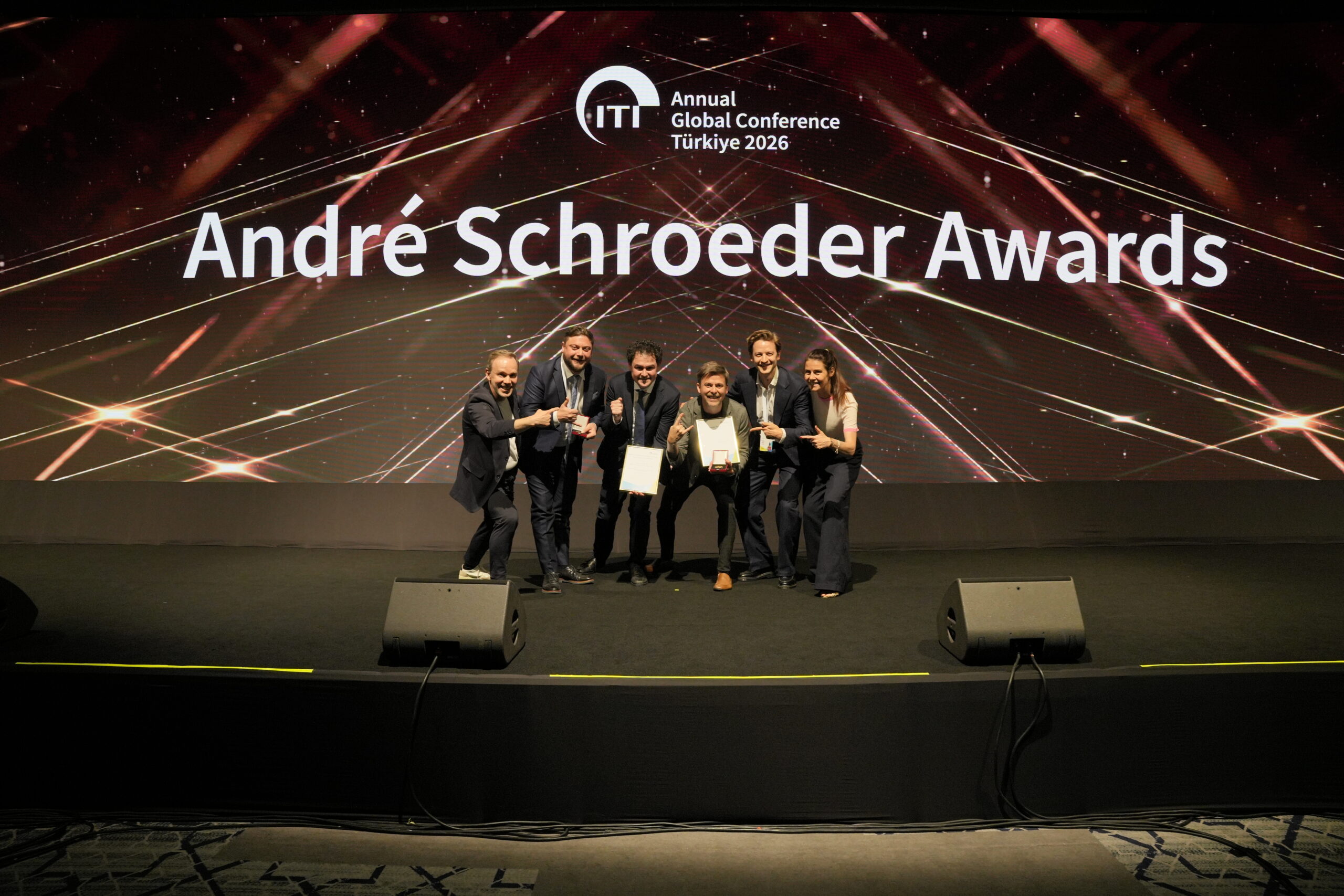
This year’s André Schroeder Research Prize winners share that quality in abundance.
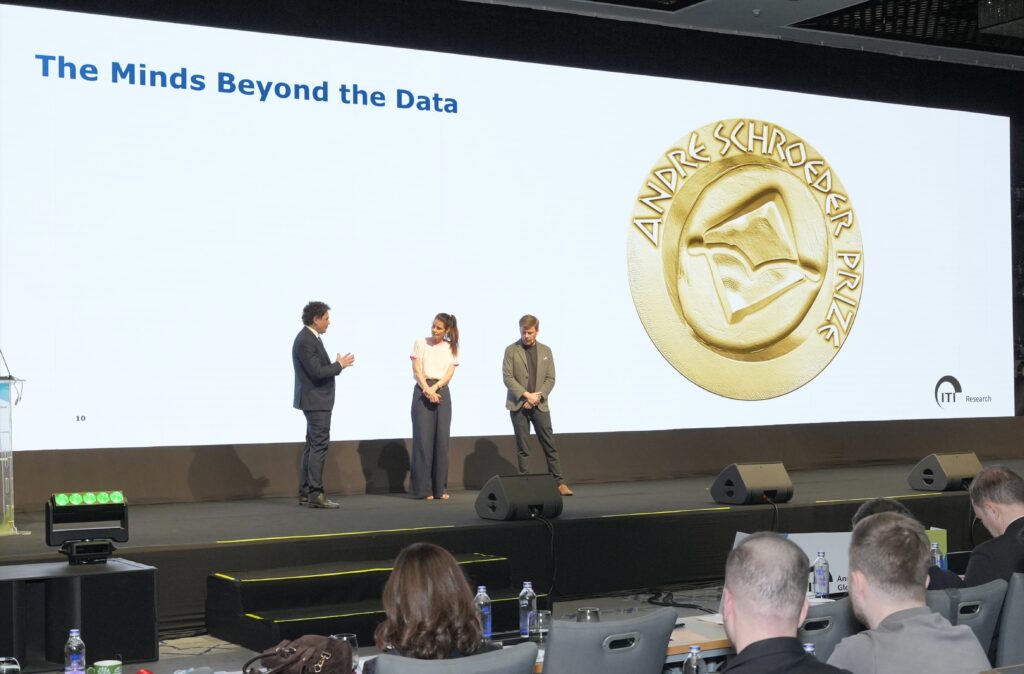
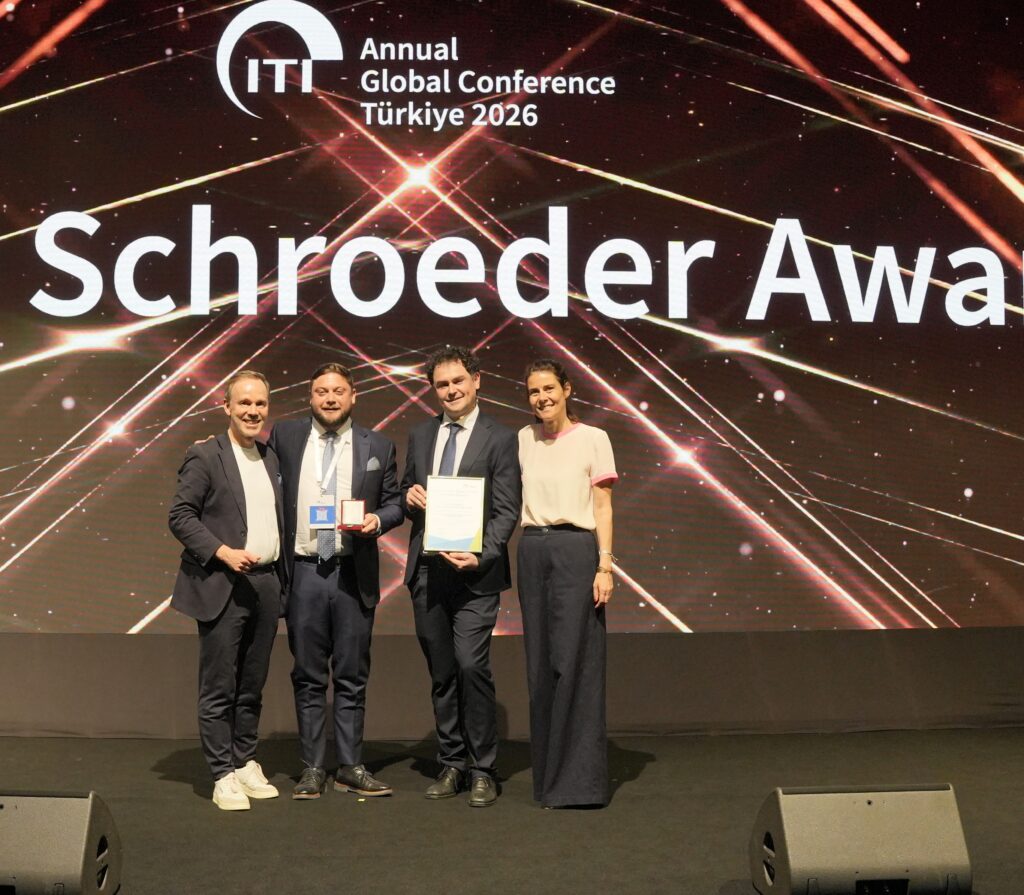
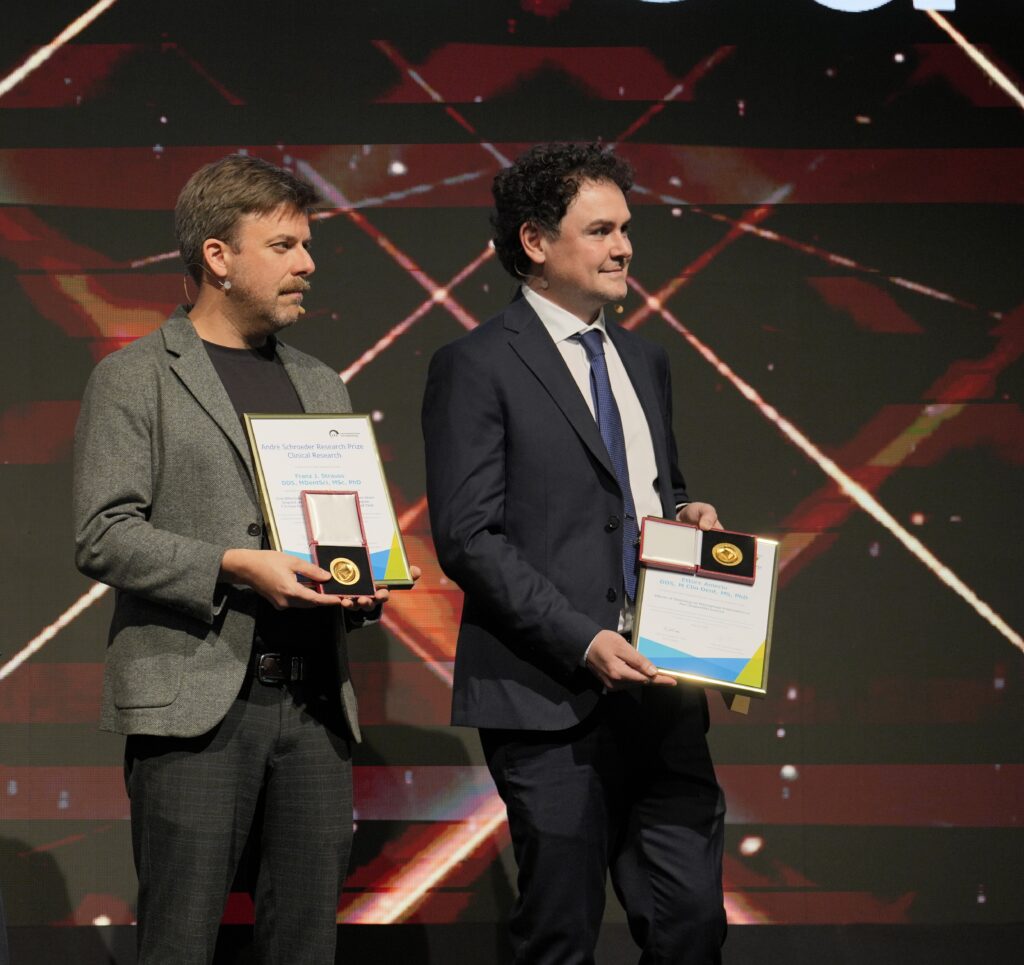
In the preclinical category, Ettore Amerio and co-author Francesco Sparano were honoured for Effects of smoking on macrophage polarization in peri-implantitis lesions, which explored how smoking influences the immune response around implants. The prize for clinical research went to Franz J. Strauss and his team for Cost-effectiveness of two short implants versus one short implant with a cantilever in the posterior region: 7.5-year follow-up of a randomised controlled trial, which compared two treatment approaches for restoring missing posterior teeth in sites with limited bone height.
Different problems, different methods, but the same starting point: a question that emerged from practice and could not be answered by the existing literature.
“Smokers are more challenging patients — but why, exactly?”
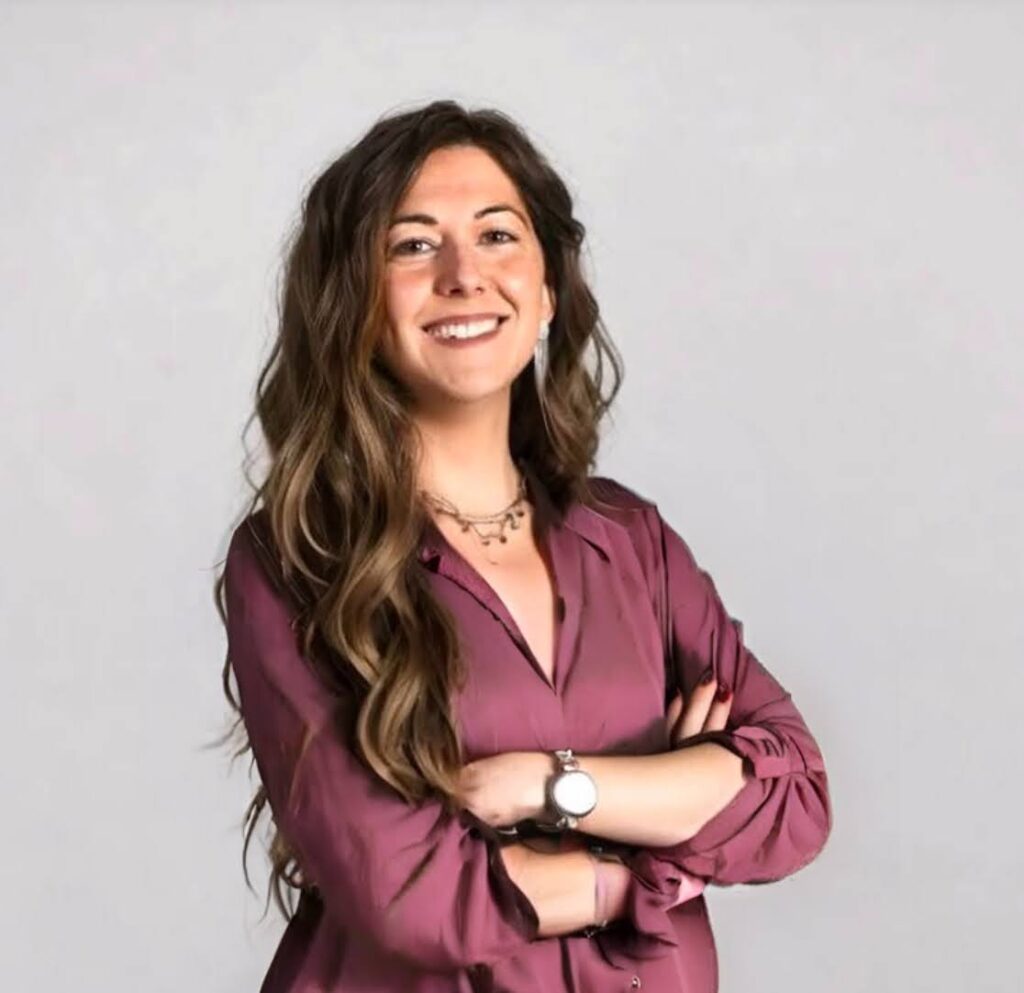
Ettore Amerio has spent the better part of a decade looking for the answer to that question. It was during his master’s in Periodontology and Implantology at the International University of Catalonia in Barcelona, under the mentorship of Professor Alberto Monje, that he became absorbed by peri-implant diseases and the biology of smoking.
“The growing scientific interest in macrophage polarization as a key regulator of inflammation and regeneration,” he says, “strongly inspired the research direction.”
What the study found
Macrophages can pivot between a pro-inflammatory state (M1) and a pro-healing one (M2). Amerio wanted to know whether smoking shifts that balance in peri-implantitis lesions.
The results were striking. Smokers with peri-implantitis showed a clear predominance of M1 macrophages compared to non-smokers – a persistently inflamed immune profile that offers a potential biological explanation for something clinicians have long observed.
“This finding,” Amerio says, “identifies a biological mechanism – so far poorly explored in periodontal and peri-implant literature – through which smoking may negatively influence peri-implant tissue stability and disease progression.”
Francesco Sparano, who co-led the study and now works in private practice in Sardinia, puts it simply: “Smokers tend to be more challenging patients in terms of inflammation, healing and long-term stability around implants. Our study gives biological support to something clinicians often observe in daily practice.”
Implications for practice
Both researchers are careful to emphasise that peri-implantitis remains a complex and multifactorial disease. The M1 shift is not the whole story, but it may be an important piece of it – and a potential therapeutic target for the future.
For Sparano, the clinical implications are clear. “Smoking should not be considered only as a general negative habit. In peri-implantitis lesions, it may be associated with a more pro-inflammatory local environment.” That means improving prevention, communicating risk more clearly to patients, encouraging smoking cessation, selecting cases carefully and applying strict maintenance protocols.
Amerio sees immune modulation as a horizon worth moving toward. The study, he says, “paves the way for future preventive and treatment protocols that may complement current clinical approaches.”
“Two implants or one? It depends — but perhaps not in the way you’d expect.”
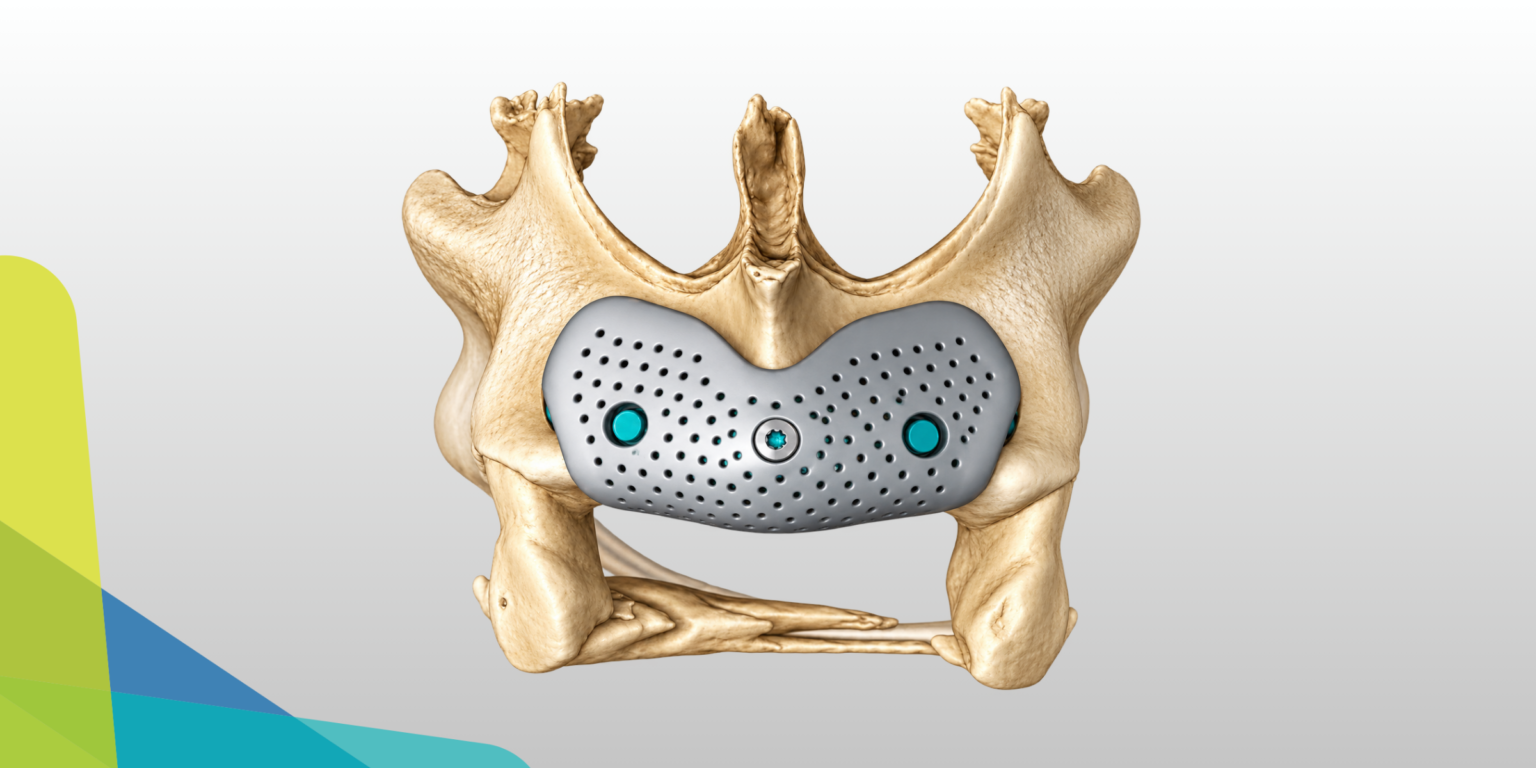
Franz J. Strauss’s study addresses a question that arises constantly in implant practice: when a patient is missing two posterior teeth in a site with limited bone height, what is the better option – placing two short implants, or placing a single short implant supporting a cantilever restoration?
Strauss and his team compared the two approaches not only on clinical and radiographic outcomes, but also on cost-effectiveness – a dimension of implant research that remains relatively underexplored.
What the study found
The headline result is perhaps unexpected in its evenhandedness: overall, both approaches performed similarly. Clinical and radiographic outcomes were comparable. But the economic picture gave the cantilever a modest advantage.
“The cantilever approach tended to be more cost-effective than placing two short implants,” Strauss says.
There was an important qualification: slightly higher rates of early complications and failures were observed in the cantilever group, most likely due to the increased mechanical loading on a single implant.
Evidence for everyday practice
“So the take-home message,” he says, “is that both options can work well clinically, but the cantilever approach may be more cost-effective – and that is information clinicians can use.”
The clinical relevance is almost self-evident: this is a decision that plays out in consultation rooms every day.
“One of the main reasons I joined the Clinic of Reconstructive Dentistry at the University of Zurich,” Strauss says, “was to focus on clinical research that is directly applicable to everyday practice.”
A meaningful recognition
For Strauss, rreceiving the André Schroeder Research Prize (ASRP) carries personal significance. After beginning his career in Chile, he pursued research opportunities abroad that eventually led him to the University of Zurich.
“Coming from South America,” he says, “I never really imagined that one day I would be in a position to receive such a prestigious award. Being part of such an outstanding team in Zurich made it possible.”
What connects them
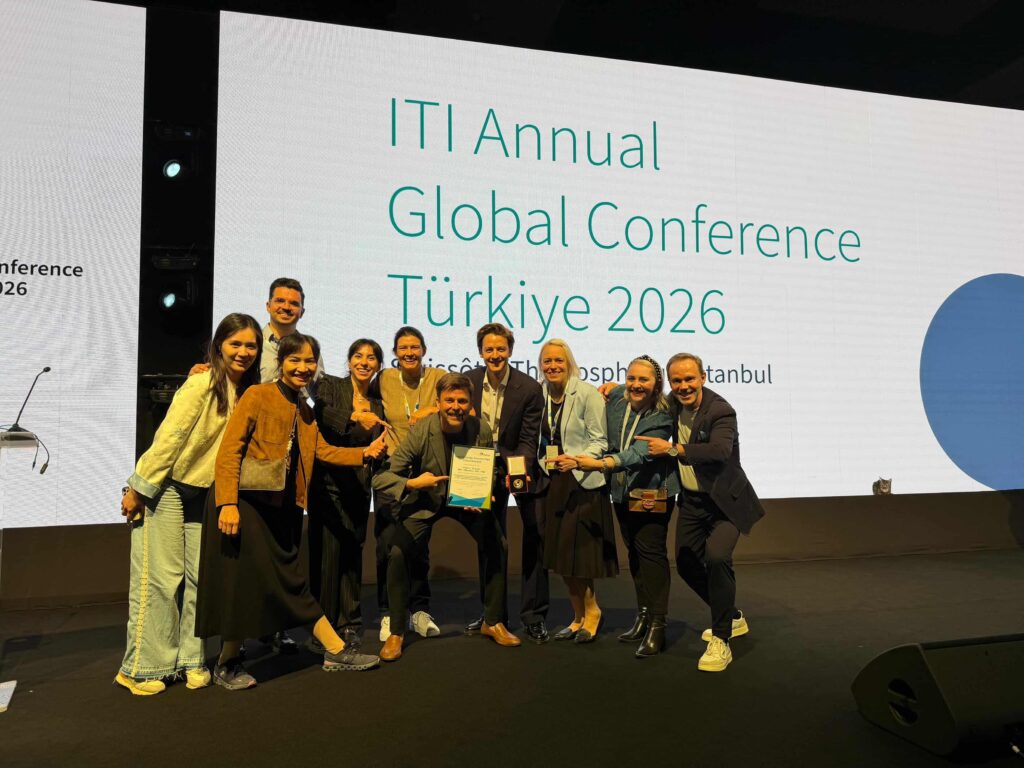
Three researchers, two studies, one prize. What connects Amerio, Sparano and Strauss – beyond the award – is a shared conviction about what research is for.
All three describe starting from clinical reality and feeling dissatisfied with the available answers. All three are clear-eyed about the limits of their own findings: the M1 macrophage story needs further investigation; the cantilever data should prompt further trials. Good science, they suggest, does not close questions – it sharpens them.
They also point to the role of the ITI in making that work possible. Beyond financial support, they highlight the value of belonging to an international community where clinicians and researchers can exchange ideas, challenge assumptions and learn from one another.
Amerio perhaps captures the spirit most simply. Scientific curiosity, he says, needs to be combined with intellectual rigour, consistency, humility and resilience. “Meaningful research,” he says, “is built through long-term commitment rather than short-term results.”
It is, in the end, the same quality that tends to produce good clinicians: the willingness to stay with a problem until it gives up its answer – and then to ask the next question.
Have you published your research? Apply for the 2027 André Schroeder Research Prize at iti.org/research/andre-schroeder-prize.