Alexandra Rendón, Berfin K. Jacobs
The first ITI Innovation Forum brings experts together to explore Patient-Specific Implant Treatment — an area where technologies and treatment approaches are developing alongside an evolving body of research.
Over three days, two Working Groups will examine the current evidence, discuss areas of uncertainty and consider where further research is needed.
Follow the discussion here as the Forum unfolds.
October 15 – The Forum begins
The first ever ITI Research Innovation Forum is underway! Experts arrived on Thursday at the Falkenstein Grand in Königstein im Taunus, just outside Frankfurt, to prepare for two days of scientific exchange on patient-specific implant technologies.
For the next two days they are focusing on one question: how patient-specific implant treatment is changing what we can offer our patients.
The work is shared between two groups:
- Group 1: Patient-specific prosthesis-supporting implants and subperiosteal implants, led by Prof. Bilal Al-Nawas and Prof. Yong-Dae Kwon
- Group 2: Patient-specific scaffolds for bone regeneration, led by Prof. Sašo Ivanovski and Prof. France Lambert
Before the Forum officially begins, the work is already taking shape. Ten participants joined the pre-forum meeting, bringing together different perspectives and a shared ambition: to turn emerging scientific evidence and clinical experience into meaningful guidance for implant dentistry. The discussions covered everything from the structure of the upcoming sessions to the scientific papers that will emerge from the Forum.
The Forum is about to begin. Stay tuned as the experts work together to explore the opportunities, challenges, and future of patient-specific implant technologies.
October 16 – Plenum Introduction
The morning began with a plenary session bringing together experts in implant dentistry, oral and maxillofacial surgery, periodontology, and engineering. The central question was clear: how can we develop clinically meaningful recommendations for patient-specific implant technologies when the scientific evidence is still evolving?
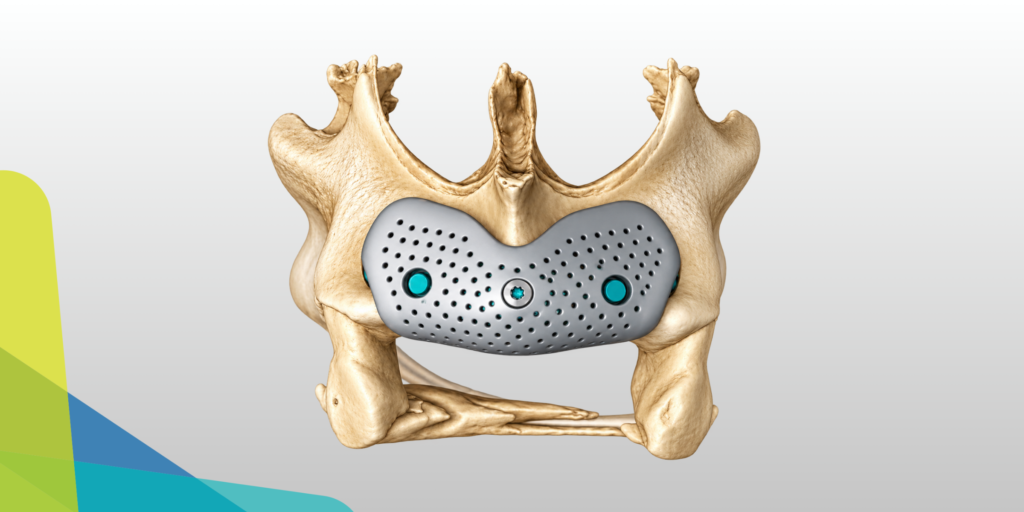
Group 1: Dr. Berfin Jacobs reporting — Patient-Specific Prosthesis-Supporting Implants and Subperiosteal Implants (PSIs)
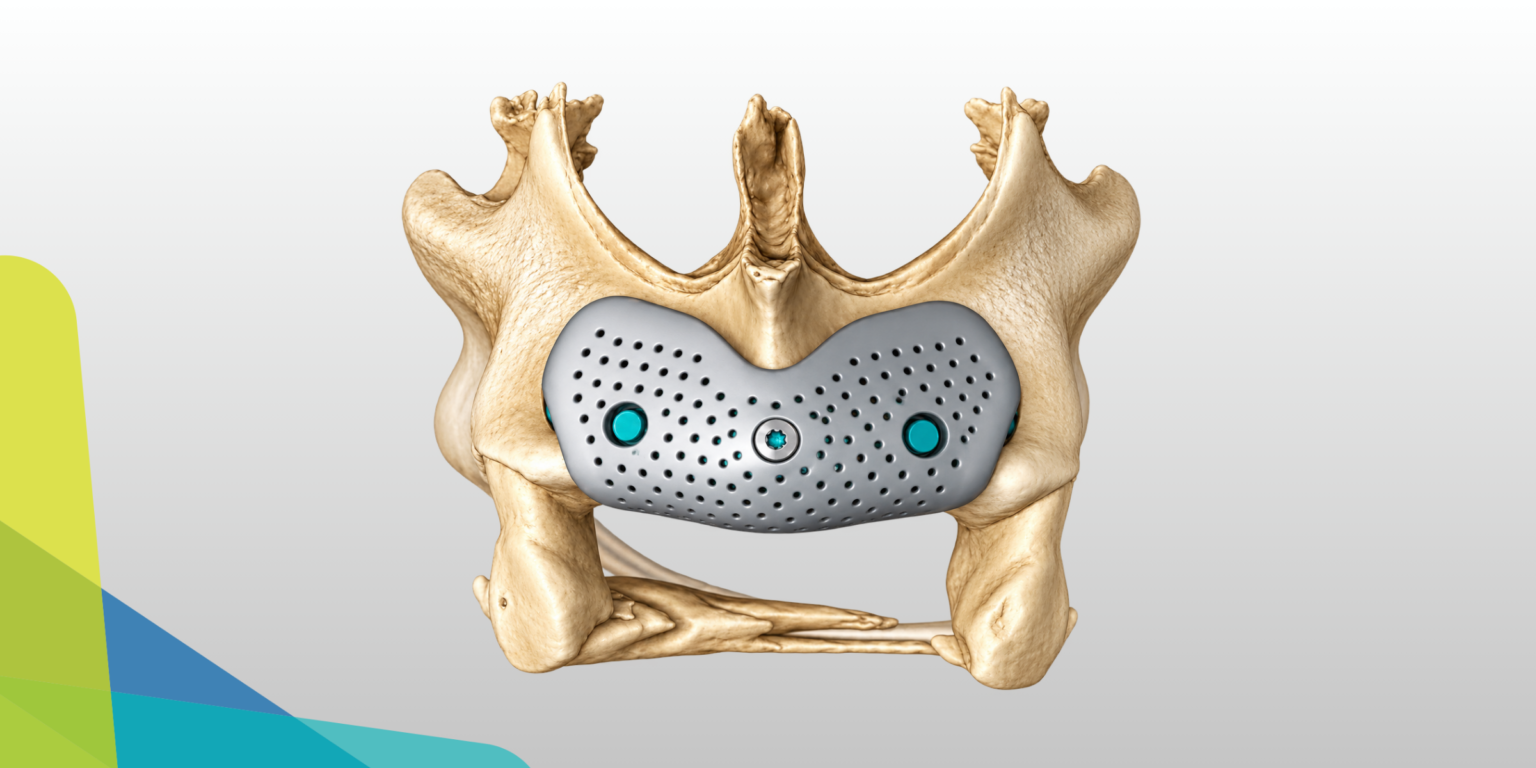
Working Group 1 tackled a topic that is gaining increasing attention in implant dentistry: patient-specific prosthesis-supporting implants, particularly subperiosteal implants for patients with severe alveolar atrophy. With advances in digital planning and CAD/CAM manufacturing as well as 3D printing expanding treatment possibilities, the question is no longer just what we can do, but what the scientific evidence supports.
The group critically examined the available literature, exploring the gap between promising clinical results and the evidence needed to support predictable treatment. Although published studies have reported encouraging short-term implant survival rates, most available evidence comes from observational studies with limited follow-up and few direct comparisons with established treatment alternatives. This raised an important question on the nature of success that was captured in a remark during the discussions: “Survival is not success”.
Complications were another central topic, particularly framework exposure and peri-implant mucosal inflammation. As Piet Haers, AOMI President, put it: “Complications, the first way to treat them is to actually prevent them.”
One of the most engaging debates revolved around the balance between scientific evidence and clinical experience. Should recommendations rely strictly on published data, or should expert knowledge also help guide clinicians when evidence is scarce? While some participants emphasized the need for robust scientific support, others highlighted the practical value of clinical experience in implant design, surgical techniques, prosthetic planning, and complication prevention. Finding the right balance was no easy task!
The discussions went beyond the literature, addressing important clinical questions. Which patients may benefit most from these technologies compared with conventional bone augmentation, short implants, or zygomatic implants? Should maxillary and mandibular applications be evaluated separately? And how can multidisciplinary collaboration between surgeons, prosthodontists, and engineers contribute to treatment planning?
The group also explored how to translate scientific evidence and expert knowledge into practical guidance for clinicians, including potential decision-making pathways and clinical checklists, while clearly distinguishing evidence-based recommendations from expert opinion.
Looking ahead, further research is needed to better understand long-term outcomes, compare treatment alternatives, and evaluate patient-reported outcomes such as quality of life, satisfaction, and oral function.
Ultimately, the challenge goes beyond expanding treatment possibilities: it is about understanding when, how, and for whom these individualized approaches can provide predictable and lasting clinical benefits.
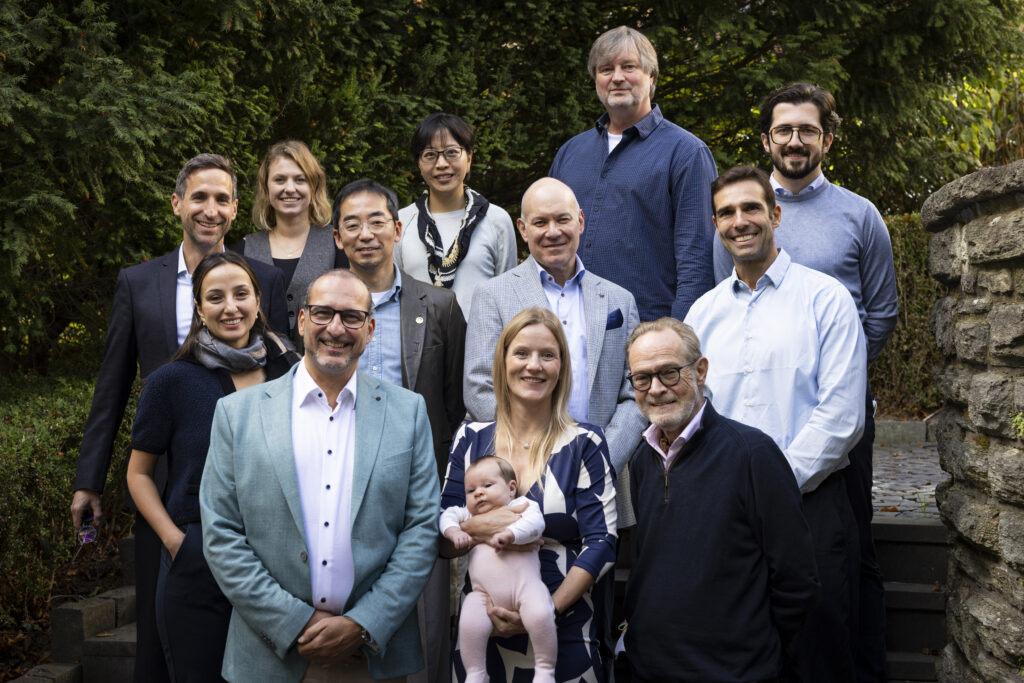
Group 2: Dr. Alexandra Rendon reporting — Patient-Specific Devices for Bone Regeneration
Meanwhile, Working Group 2 turned its attention to patient-specific devices for bone regeneration, bringing together a panel of clinicians, predominantly periodontists, to explore the clinical potential and limitations of these customized solutions.
The group critically reviewed the available scientific evidence, with particular attention to customized titanium meshes used in bone augmentation procedures. Although clinical studies have reported promising results, considerable variability remains in the amount of horizontal and vertical bone gain, as well as in the incidence of mesh exposure. Differences in study methodologies, outcome measurement, and definitions of complications make comparisons challenging. An important question emerged: does mesh exposure necessarily mean treatment failure, or can it be successfully managed?
One of the central debates focused on how far clinical recommendations should go when scientific evidence remains limited. Should the group adopt a cautious approach, or could expert clinical experience help provide more practical guidance? Some participants advocated for clearer clinical indications, emphasizing the importance of translating expert knowledge into recommendations that clinicians can apply in daily practice.
The discussions also explored whether specific devices or materials could be recommended according to defect characteristics, anatomical location, or treatment complexity. Beyond titanium meshes, the group considered other patient-specific solutions, including alloplastic and allogeneic devices, while acknowledging the heterogeneity of the available evidence.
Technical and regulatory considerations added another dimension to the debate. From terminology and device classification to quality assurance and the potential role of artificial intelligence in device development, the group examined how rapidly evolving technologies are challenging existing clinical and regulatory frameworks.
Another practical consideration was the treatment workflow. While customized devices may offer advantages in planning and adapting to complex anatomical defects, their use does not necessarily shorten the overall treatment process, particularly when additional digital planning and manufacturing steps are required.
Ultimately, the discussions highlighted a familiar challenge: how can clinicians make informed decisions about increasingly sophisticated patient-specific technologies when the evidence is still developing? The goal was to explore how scientific data, clinical expertise, and appropriate regulatory considerations can contribute to more consistent and clinically relevant guidance.
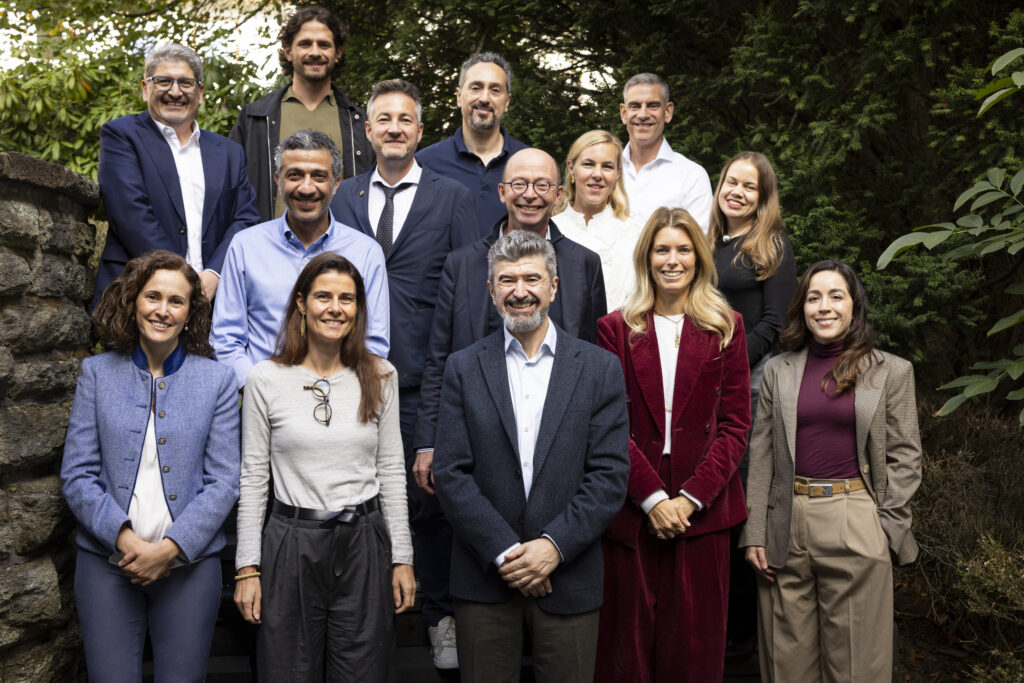
Group 1
Following the morning plenary, Group 1 focused on defining clinical statements for patient-specific prosthesis-supporting implants and subperiosteal implants (PSIs).
Although these technologies offer new possibilities for patients with severe jaw atrophy and complex reconstructive needs, technical feasibility does not guarantee predictable clinical outcomes.
Selecting the right patient
Participants discussed how PSIs should be considered alongside conventional implants, bone augmentation, and zygomatic implants. Where established treatments offer predictable outcomes, PSIs should not automatically be the first-line option. Potential indications such as previous implant or graft failure, oncologic reconstruction, and post-radiotherapy defects also require careful evaluation, as supporting evidence remains limited.
As one participant emphasized: “Patient-safety first. That’s the number one.”
Planning for predictable outcomes
Multidisciplinary, prosthetically driven planning involving surgeons, prosthodontists, and engineers was highlighted as essential. The group explored surgical staging, rigid fixation, framework fit, and immediate provisionalization, while recognizing that the optimal approaches remain uncertain.
Defining success beyond survival
Participants also discussed the need to distinguish implant survival from complication-free and functional success. Future research should compare PSIs with alternative treatments, assess maxillary and mandibular outcomes separately, and investigate how surgical protocols, soft tissue management, and digital planning accuracy affect results.
The discussion reinforced a central message: innovation must be guided by careful patient selection, collaborative planning, and transparent recognition of the limits of current evidence.
Group 2
Group 2 explored a key question: should patient-matched scaffolds be reserved for severe or anatomically complex defects, or could they also have a role in routine clinical practice?
Participants discussed the scope of their indications, weighing the potential advantages of patient-matched devices against conventional techniques. A central theme was the importance of prosthetically driven planning, alongside appropriate imaging and careful design, in guiding the digital workflow.
The group also considered the future potential of resorbable devices, which could eliminate the need for a second procedure to retrieve or remove them.
An important debate emerged around bioactivity, prompting a smaller focus group to develop an alternative consensus statement. These discussions reflected the broader challenge of defining where patient-matched technologies offer meaningful clinical advantages and how their use should be guided by evidence.
October 16 – Group 1 Outcomes
In the afternoon, Group 1 focused on refining its draft statements on patient-specific subperiosteal implants. The guiding question was how expert clinical experience could be translated into practical guidance when high-quality evidence remains limited. The message was clear: a customized device does not guarantee a predictable outcome.
Participants discussed follow-up imaging, including panoramic radiography and CBCT at intervals such as one, three, and five years. Because no universally validated imaging schedule exists, the group agreed that imaging should always serve a clear diagnostic purpose. A baseline postoperative image may provide a useful reference, but subsequent examinations should be justified by clinical findings, patient-specific risks, and radiation protection guidelines. A key question remains: which radiographic findings are clinically meaningful, and when should they prompt intervention? As one participant asked: “What are we actually looking for?”
The discussion then highlighted that not all PSI indications are supported by the same level of evidence. Clinical data on full-arch rehabilitation are considerably more extensive for the maxilla than for the mandible. Evidence for partial rehabilitation is even more limited, consisting primarily of small case series and case reports. The group emphasized the importance of reporting these indications separately so that clinicians can clearly distinguish between areas with stronger evidence and those where evidence is still emerging.
The discussion then shifted to the framework itself. Where should fixation screws be placed? Which anatomical areas are more prone to exposure? Palatal and lingual extensions, framework thickness, and anchorage to stable anatomical structures were all closely examined. Whether certain regions carry a higher risk of framework or screw exposure remains an open question that the group identified as a priority for future research.
Prosthetic workflows also sparked debate. The group compared approaches involving one-piece and two-piece systems, as well as fixed and removable restorations, including postoperative scanning, laboratory verification, and stabilization using prosthetic bars. Some clinicians favored prefabricated provisional restorations, while others emphasized the importance of scanning and verifying the manufactured framework before finalizing the prosthesis.
Participants also noted discrepancies between digital design files and the components ultimately manufactured. Variability in manufacturing processes, quality control, and institutional workflows may limit the generalizability of reported outcomes. The group agreed that clinicians should understand how a device is designed, manufactured, inspected, and verified before its clinical use.
The discussion reinforced the importance of clinical judgment, even within a fully digital workflow. Design, manufacturing, and prosthetic planning all play critical roles in determining whether a patient-specific solution can deliver predictable, long-term outcomes.
Looking ahead, the group identified several research priorities, including the development of validated postoperative imaging protocols, investigation into screw distribution and anatomical support, the influence of framework thickness, and the relationship between fixation location and complications.
October 16 – Group 2 Outcomes
Every additional surgery means more discomfort, more healing time, and more risk for the patient so Group 2 began the afternoon with an ambitious question: can patient-matched devices for bone regeneration reduce that burden without sacrificing the amount of bone we regenerate?
The first test is simple to state but hard to prove: do these devices reliably achieve the bone augmentation needed to place implants? The group revisited the efficacy of patient-matched devices in reaching that target, keeping in mind that bone gain only matters if it ultimately supports successful implant treatment.
From there, the conversation turned to complications, and in particular to one of the field’s most debated questions: what should a clinician do when a device becomes exposed? And just as importantly, when is the right moment to act?
Here the group faced a familiar obstacle. The available evidence simply isn’t strong enough to answer these questions with confidence. Rather than leave clinicians without direction, participants chose a practical route: a smaller team broke away to draft expert-based indications for managing complications, clearly framed as clinical expertise rather than evidence-based recommendations.
That wasn’t the only split. Two more subgroups formed to tackle follow-up and reporting, and the regulatory aspects of patient-matched devices. These are less visible topics, but they shape how outcomes are measured, compared, and ultimately trusted.
Plenum Session
In the afternoon plenary, both groups presented their draft statements to the full panel. Every participant could weigh in and vote on each statement, including those from the other group.
This cross-group input proved essential. Group 1 reviewed Group 2’s statements and vice versa, which helped identify wording that could be confusing or incomplete, as well as blind spots that may have been overlooked. Comparing how each group had worded similar statements also helped align the overall message of the consensus.
Consensus at the Forum is not simply about agreement. It is about defining what can responsibly be recommended based on the current evidence and expert experience. That required careful attention to wording, so that each statement reflects what the evidence supports without overstating it. Patient safety remained the central consideration throughout.
The discussions were constructive and respectful, bringing together participants from diverse clinical and non-clinical backgrounds.
So far, all statements put to a vote have reached agreement in both groups. The remaining statements will be reviewed tomorrow.
October 17 – Group 1 Outcomes
In the final group discussions, participants focused on refining the consensus document following the plenary sessions, with particular attention to clinical recommendations, framework exposure, and future research priorities.
A central theme was the distinction between implant survival and treatment success. While survival data remain important, participants highlighted the need to consider biological complications, prosthetic function, patient symptoms, and framework stability when evaluating outcomes.
The group also revisited primary stability and fixation, emphasizing close framework adaptation to the underlying bone and rigid skeletal fixation. Immediate or early fixed provisionalization was strongly supported as an important part of PSI rehabilitation, provided that an accurate, passive prosthetic fit can be achieved. Where a prefabricated provisional restoration does not fit appropriately, revising it based on postoperative scanning may be preferable to forcing an inadequate fit.
Another key topic was soft tissue complications, particularly framework exposure. Participants discussed how exposure should be assessed and when intervention may be necessary, highlighting the need for clearer and more consistent outcome definitions.
Looking ahead, the group called for stronger multidisciplinary collaboration involving surgeons, prosthodontists, engineers, and materials scientists. Future research should extend beyond surgical outcomes to include restorative function, biomechanics, patient-centered measures, and reliable long-term evidence.
October 17– Group 2 Outcomes
Group 2 gathered for one last discussion on Saturday, returning to statements that needed further work after Friday’s plenary. The focus was on refining the wording and making statements relevant to everyday clinical practice. How could the group express complex ideas clearly while remaining precise about the evidence behind them?
Feedback from Group 1 helped the participants work through issues that had proved difficult to resolve. The exchange went both ways: Group 1 also asked to draw on material developed by Group 2 as a starting point for its own statements. This collaboration showed how the two groups could learn from each other, even while addressing different clinical applications.
Where evidence was limited, participants drew on expert experience to develop proposed recommendations and identify questions for future research. The discussion was cohesive, with participants building on one another’s ideas and drawing on the individual strengths of the experts around the table.
Final Plenum Session
In the final plenary, Prof. Bilal Al-Nawas led the voting on Group 1’s statements, while Prof. Sašo Ivanovski led the voting on Group 2’s statements. The work completed the previous day helped the session finish ahead of schedule, bringing the two groups together for the final stage of the Forum’s discussions.
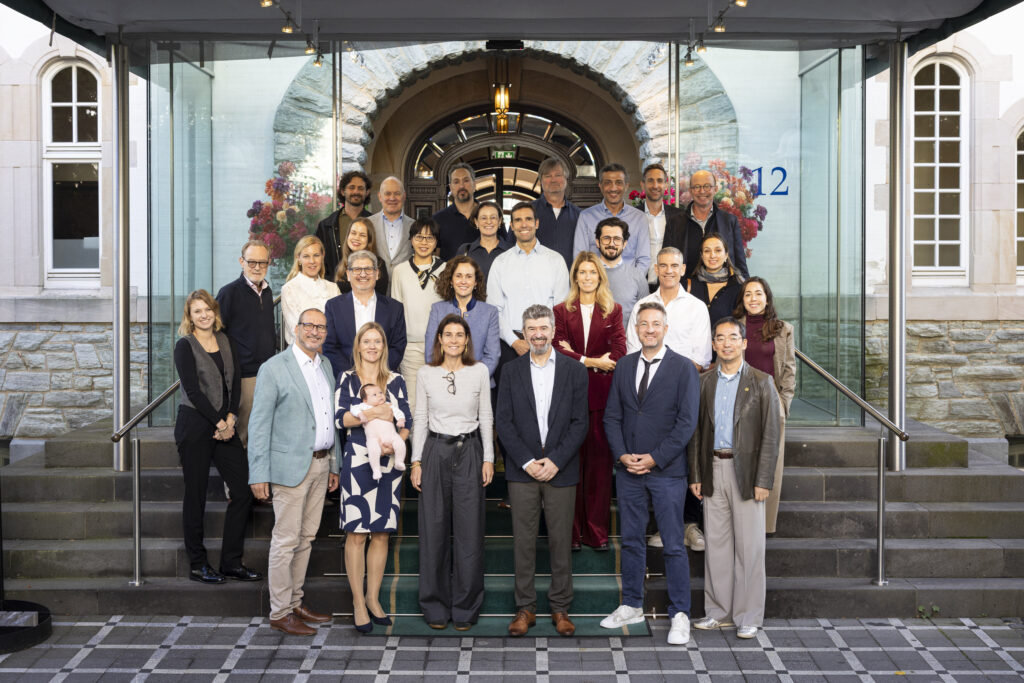
Final thoughts
For Group 1, the recurring theme was the need to look beyond whether a patient-specific implant remains in place and ask what successful rehabilitation means for the patient. The discussions connected surgical planning with prosthetic function, complications and long-term follow-up, while keeping the limitations of the current evidence in view.
The work also highlighted the value of bringing more disciplines into future research. Alongside surgical expertise, contributions from prosthodontists, engineers, and materials scientists could help address the questions that remain about function, biomechanics, and lasting clinical outcomes.
For Group 2, the closing discussions brought the emphasis back to clinical relevance about how the growing possibilities of patient-specific bone regeneration can be translated into clear, useful guidance. Questions about indications, complications, and the limits of the evidence remained central, alongside the collaborative work needed to address them.
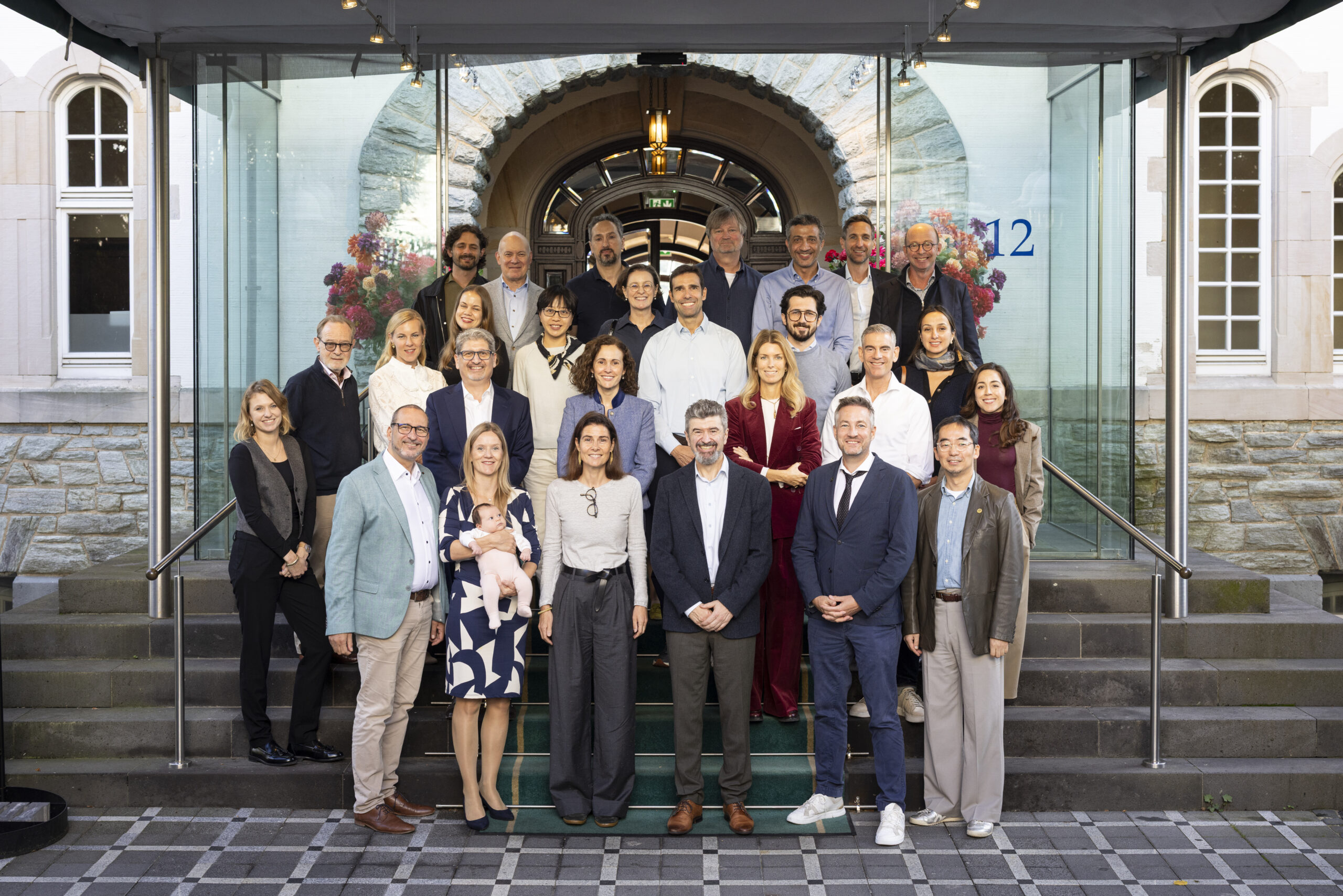
The Forum concluded with the steering committee thanking participants for their contributions and ITI Headquarters for their support with organization and logistics. As people prepared to leave, a small goodbye photograph grew into a group picture, with participants putting on their ITI T-shirts and blue caps. It was a warm finish to the scientific exchange throughout the meeting.
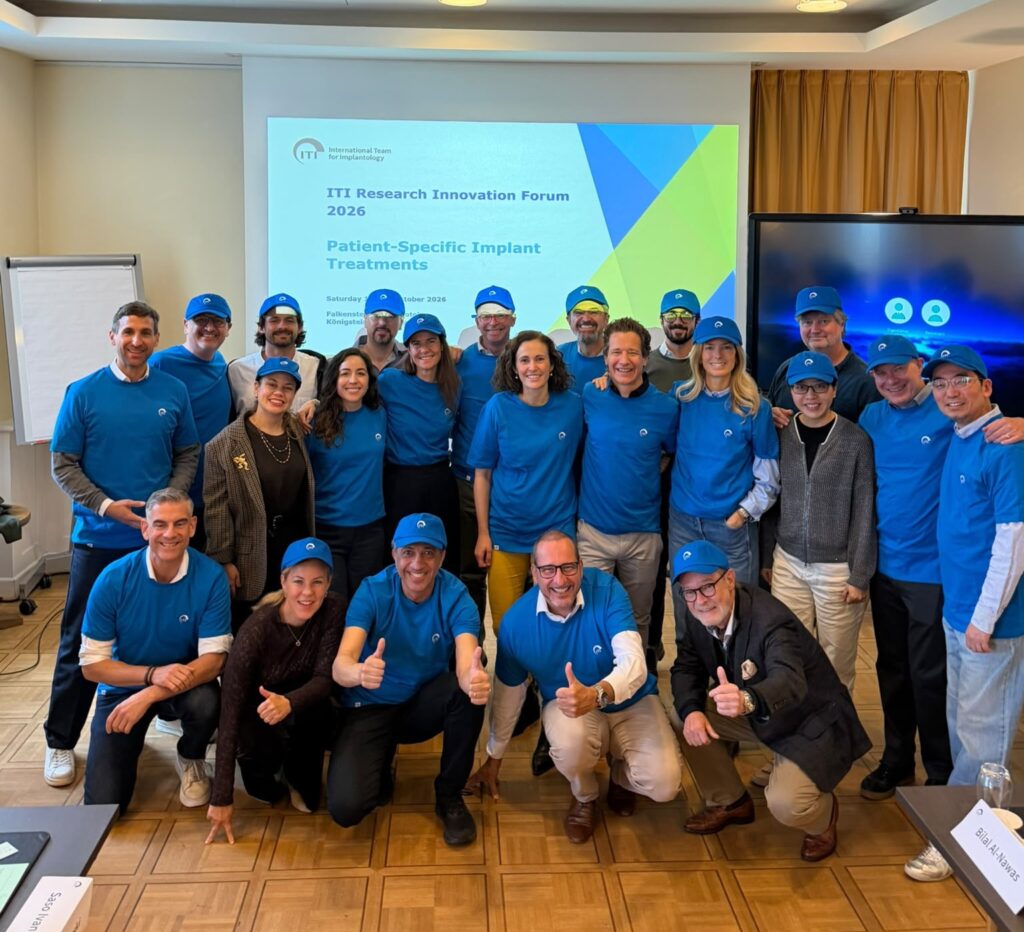
ITI Innovation Forum
Research for a changing field
A new research format for areas of implant dentistry where knowledge is still developing.