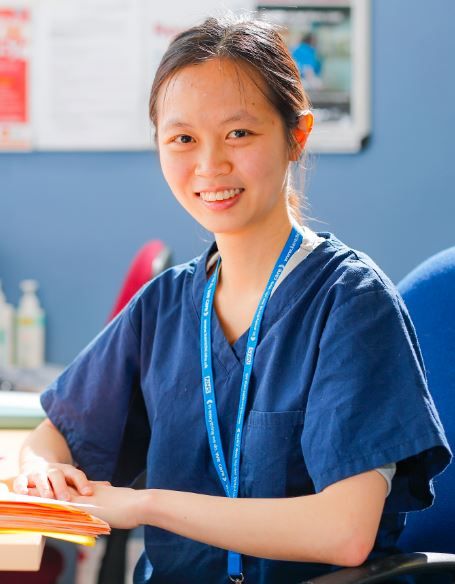
Every year in June, the ITI opens the application portal for its Scholarships. We took this opportunity to ask one of our former Scholars, Xin Hui Yeo from United Kingdom, about her experience, her daily work and what she liked the most about it. She started his Scholarship year in 2024 at the ITI Scholarship Center Chulalongkorn University, Bangkok.
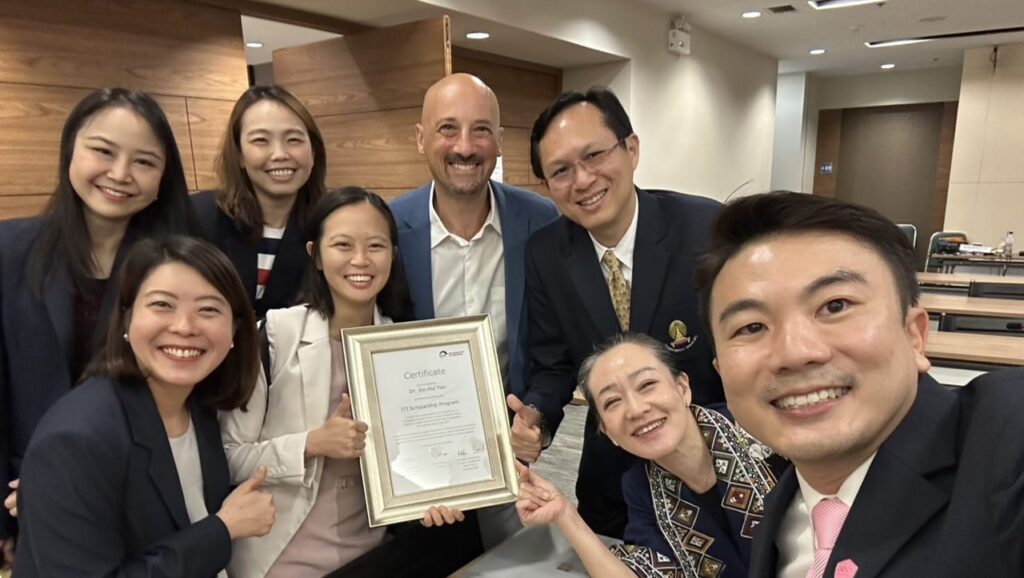
What are the three most memorable things you will take away from your Scholarship year?
1) The people and the friendships that made Thailand feel like home
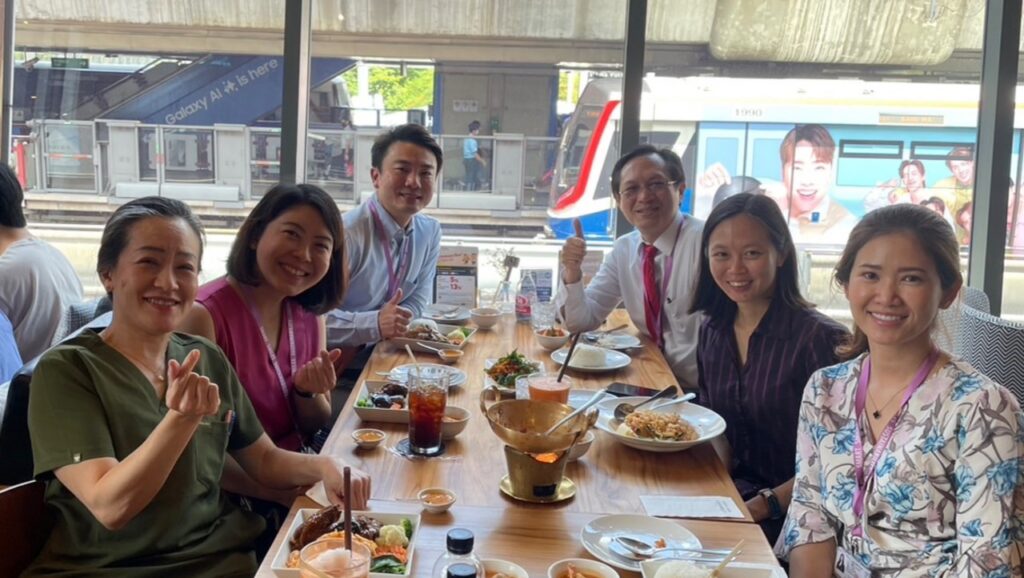
My scholarship year wasn’t defined by how many implants I placed or how much research I did—it was defined by the hospitality of the people and how they made me feel during my time here. From the very first week, I met my mentors and professors at a welcome meal, which immediately set the tone for a warm, friendly, and approachable relationship. Thai people are famously welcoming, and I quickly built genuine friendships both inside and outside work. Those connections opened the door to local culture and cuisine, exploring attractions, and even trying arts and sports like Muay Thai and Muay Chaiya. The friendships and life experiences I gained have been the most heartwarming and memorable part of the year.
2) A year of focused learning and clinical growth that felt like a luxury
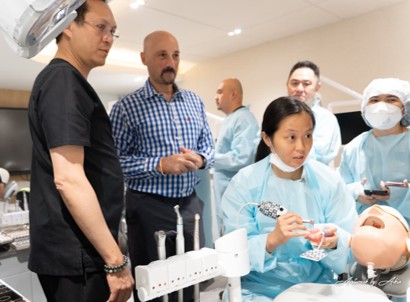
The learning opportunities were exceptional. Having dedicated time for implant practice and research was a luxury I never fully had while working in the UK, where dentistry can be dominated by administration, defensive note writing, and the everyday pressures of practice. In Thailand, I was immersed in a more patient-driven, patient-centered approach and gained exposure to a wide range of soft and hard tissue procedures under the mentorship of Professor Atiphan Pimkhaokham, Assoc. Professor Keskanya Subbalekha, Assoc. Professor Kajorn Kungsadalpipob and Assoc. Professor Sirikarn Arunyanak. Among these were vertical and horizontal bone augmentation, Khoury technique, sinus augmentation, free gingival and connective tissue graft, soft tissue tunneling, and microsurgical procedures. I was also really grateful that, in addition to my mentors, other supervisors and students in clinic were always happy to walk me through their treatment plans and the rationale behind their decisions in English.
Before coming to Thailand, my experience with computer-assisted implant surgery (CAIS) was mainly limited to static guidance. This year broadened my perspective on what dynamic and robotic CAIS may offer for the future. Thailand also has no shortage of high-quality didactic and hands-on courses and conferences run by implant companies and educational institutions. Even though the majority of the teaching was in Thai, the slides were often in English, which made learning for foreigners much more accessible.
3) The CAIS Symposium in Bangkok and contributing to the ITI White Papers
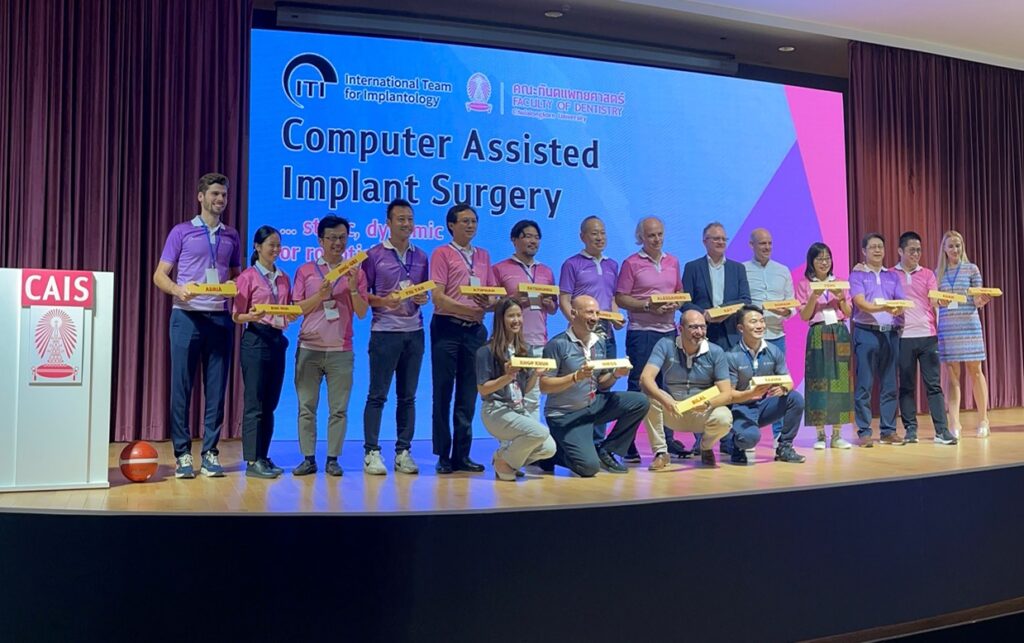
The highlight of the year was the first CAIS Symposium held in Bangkok, organized by Chulalongkorn University, with Professor Nikos Mattheos as the driving force behind the event. I never expected to be in the same room as leading clinicians and academics such as Professor Nikos Mattheos, Professor Bilal Al-Nawas, Professor Alessandro Pozzi, Professor James Chow, and many others whose work I had previously admired through reading their papers—let alone having the honor of presenting to them. That experience led to another milestone: we went on to publish the ITI White Papers on CAIS, covering areas such as the glossary, clinical outcomes, patient experience and perspectives, and education/learning. The papers can be found here:
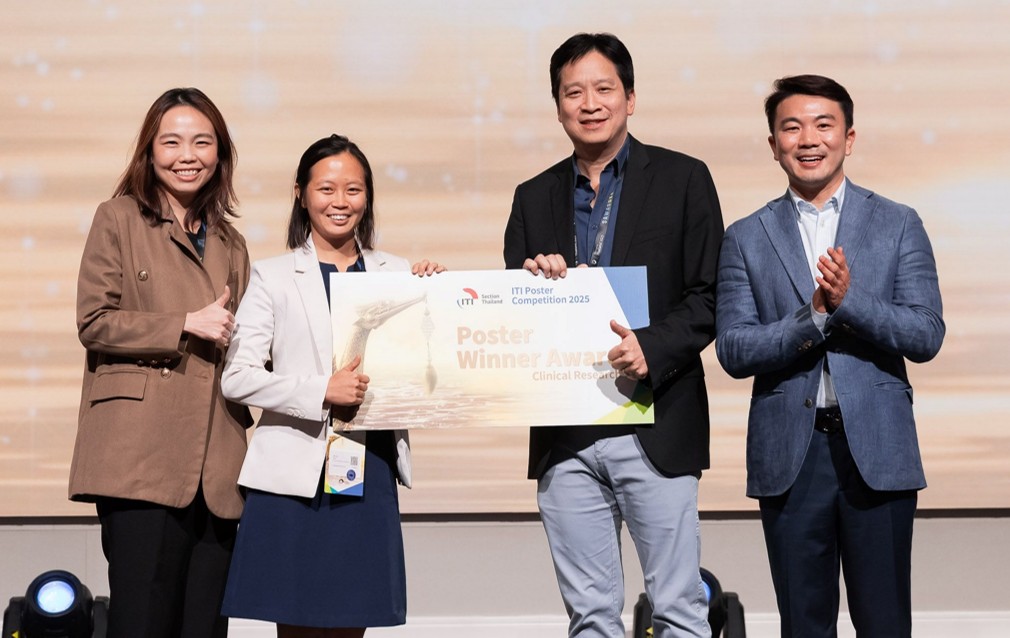
I later presented part of this work focused on patient-reported outcomes and experiences at the ITI Congress in Thailand, where it was awarded the Clinical Research Prize.
Could you give us an idea of how your working week was structured?
My time at the scholarship center was split between the Oral & Maxillofacial Surgery (OMFS) department and the Periodontology department, which gave me a great balance between observing, assisting, and gradually getting more hands-on experience.
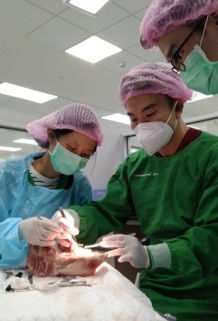
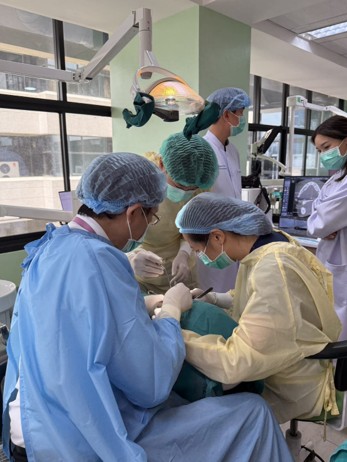
Mondays and Tuesdays were mainly OMFS days. I would usually spend the mornings in the outpatient clinic, observing consultations, case assessments and follow-ups, and then in the afternoons in the minor operating theatre, where I observed or assisted depending on the case. Wednesdays and Thursdays were dedicated to periodontology, where I observed or assisted with periodontal or implant surgeries. When language wasn’t a major barrier with patients, I was able to get more involved in selected cases where I had the opportunity to place implants and carry out second-stage surgery.
Fridays were reserved for research, which gave me protected time to focus on academic work under the mentorship of Professor Nikos Mattheos.
That said, the timetable wasn’t rigid. If there were valuable learning opportunities like conferences, hands-on courses, or special clinical sessions, there was flexibility to adjust the week accordingly. I also had the chance to broaden my exposure further by shadowing in an implant clinic at another renowned university in Bangkok, Mahidol University, which was a fantastic additional experience.
Why did you choose this specific Scholarship Center?
Interestingly, when I first applied, Chulalongkorn University in Bangkok wasn’t even listed among the available Scholarship Centers. So when I was offered the opportunity, it genuinely felt like fate.
One of the biggest surprises (in the best way) was realizing how advanced parts of Asia are compared to the UK, especially digital dentistry and computer-assisted implant surgery (CAIS) technology. I was impressed by how efficient the overall workflow can be and how efficient the patient turnaround is. Being in Bangkok allowed me to experience a different pace and approach to care, and it was incredibly valuable to compare my training and working environment in the West with what I experienced in the East.
On a personal level, it was also the perfect excuse for a change of scenery—a genuine “career break” in the healthiest sense. That year gave me space for self-growth, and I came away with a renewed outlook on my career priorities and progression going forward.
Did you feel you were learning a lot?
Yes, definitely. I didn’t just learn a lot about implants; I also learned a lot about myself. This year helped me reflect on what truly motivates me and where my strengths and interests lie, not only as a clinician, but also as an educator and a researcher.
The scholarship created real momentum: it gave me protected time, the right environment, and inspiring people around me to grow. I’ve come away with more clarity about my direction and a renewed sense of purpose, and I fully intend to keep learning and to build on the wave that this scholarship year has created.
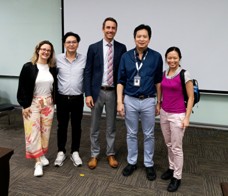
What were your plans for the time after your Scholarship when you returned home? And how did this experience influence your current position?
When I first thought about returning home after the Scholarship, I hoped to carry the momentum forward, especially with having dedicated time for academic pursuits. In many ways, that plan has evolved into my current reality: I’m now doing a PhD with Chulalongkorn University, building directly on the research project I began during my Scholarship year.
More importantly, the experience genuinely awakened my passion to become an academic clinician. The Scholarship helped me see how much I enjoy the balance of clinical practice, teaching, and research and how fulfilling it is to contribute to the evidence base that shapes how we treat patients.
Looking ahead, I also want to support the wider adoption of digital implant workflows by helping with grant applications aimed at rolling out dynamic navigation within educational institutions in the UK, not only for clinical care, but also to support teaching and research opportunities.
Why would you recommend our Scholarship program to other young professionals?
I would recommend the Scholarship program because it’s genuinely a life-changing opportunity. It offers far more than clinical exposure—it gives you a platform to grow professionally and personally in a way that’s difficult to achieve through routine employment. And regardless of where your Scholarship Center is, what you gain from the program ultimately depends on how proactively you make the most of every opportunity.
The Scholarship also provides an incredible platform for networking, connecting you with mentors, peers, and leading clinicians, and giving you access to valuable resources that support both learning and long-term career development.
Most importantly, the Scholarship isn’t only about gaining implant-related skills; it’s also about discovering what truly drives you. It gives you the time, space, and encouragement to explore your interests, reflect on your strengths, and often find your own professional calling.
Each year we enable young implant dentistry talents to spend a year abroad at a highly regarded university being mentored by an ITI Fellow at one of our (>40) ITI Scholarship Centers around the globe (you can check them out here: ITI Scholarship Centers).
Are you keen on getting insight into every aspect of implant treatment? Would you like to dive into the complex world of case planning, implant surgery and prosthetic restorations in an international context? Our application portal is open from June 1 to June 14 every year. Don’t hesitate any longer and apply now!