Implant dentistry has no shortage of opinions on what good treatment looks like. Thirty-nine participants just spent two days in Puglia agreeing on eight principles they want the Italian Section to stand for.
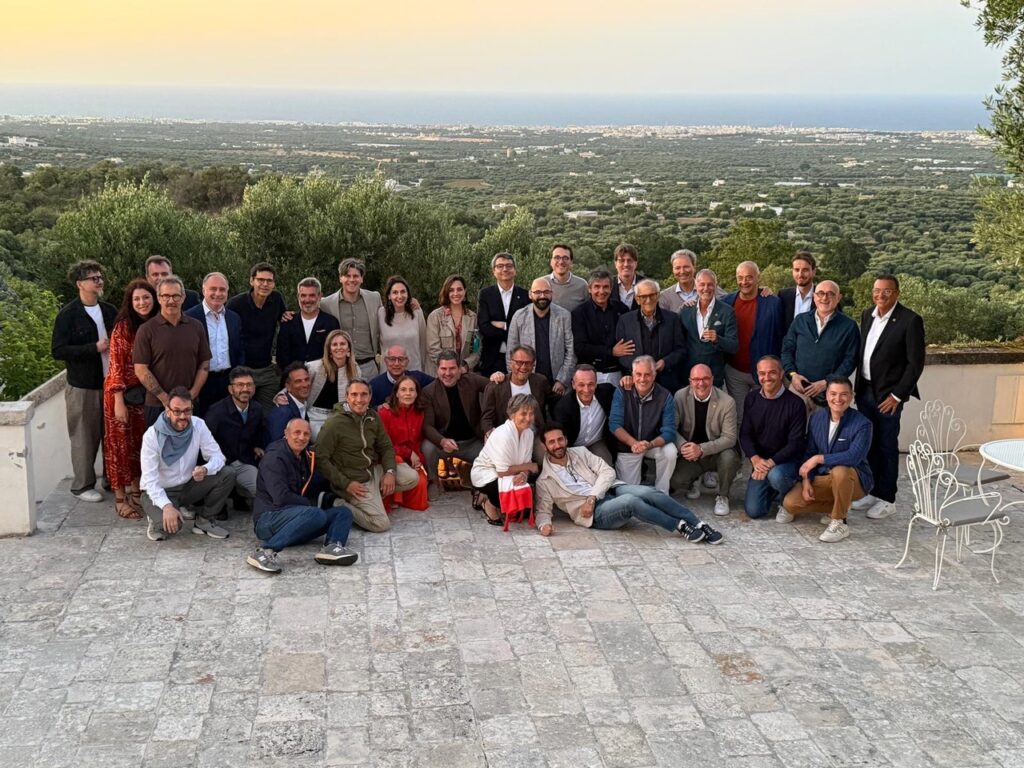
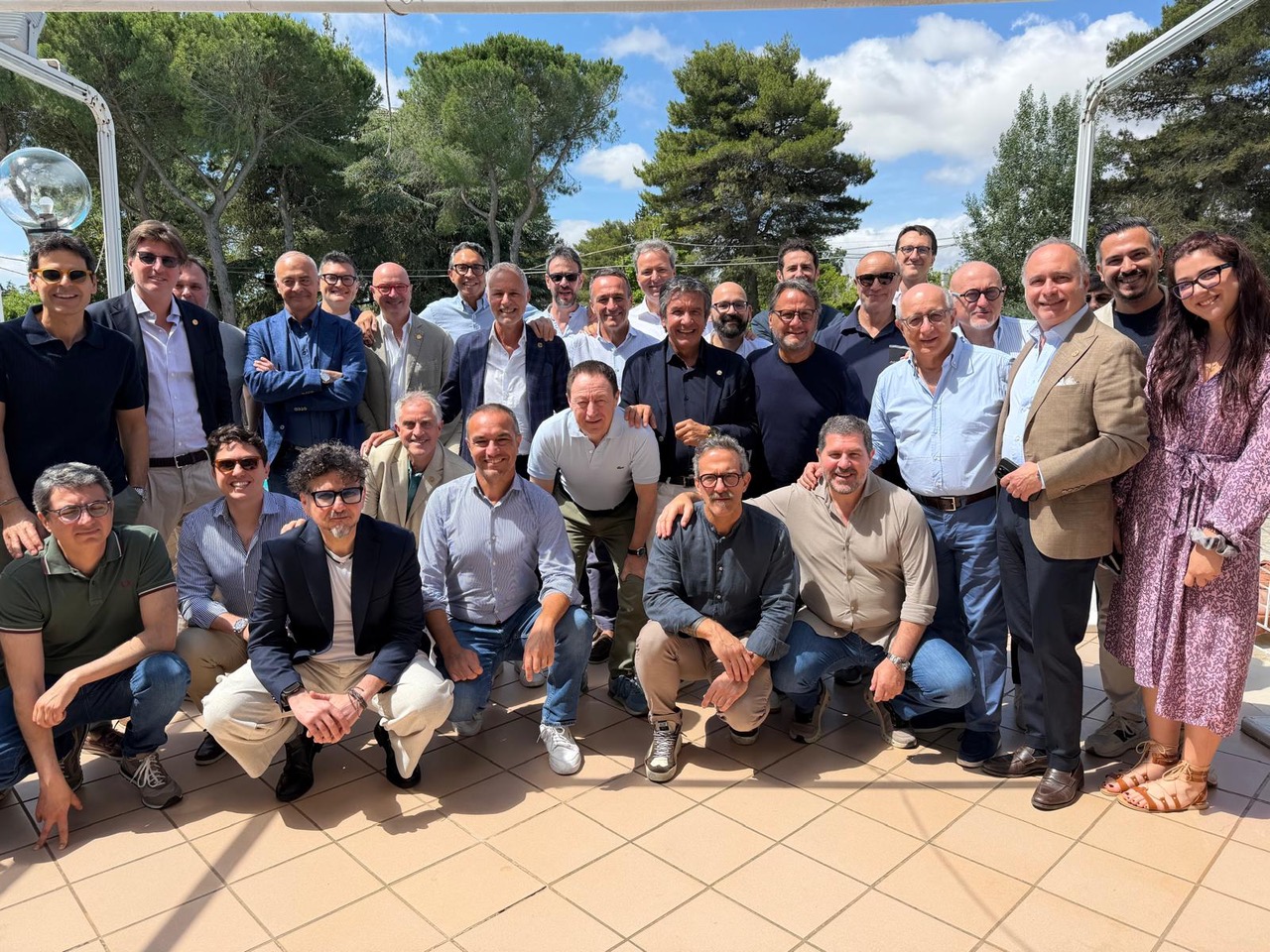
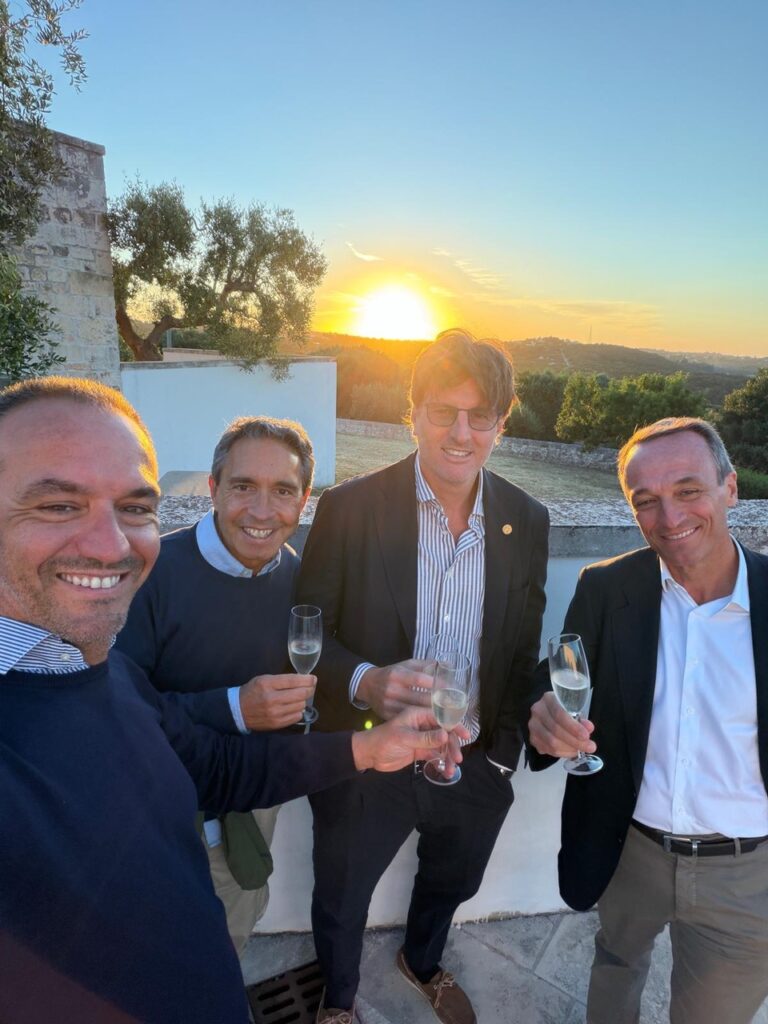
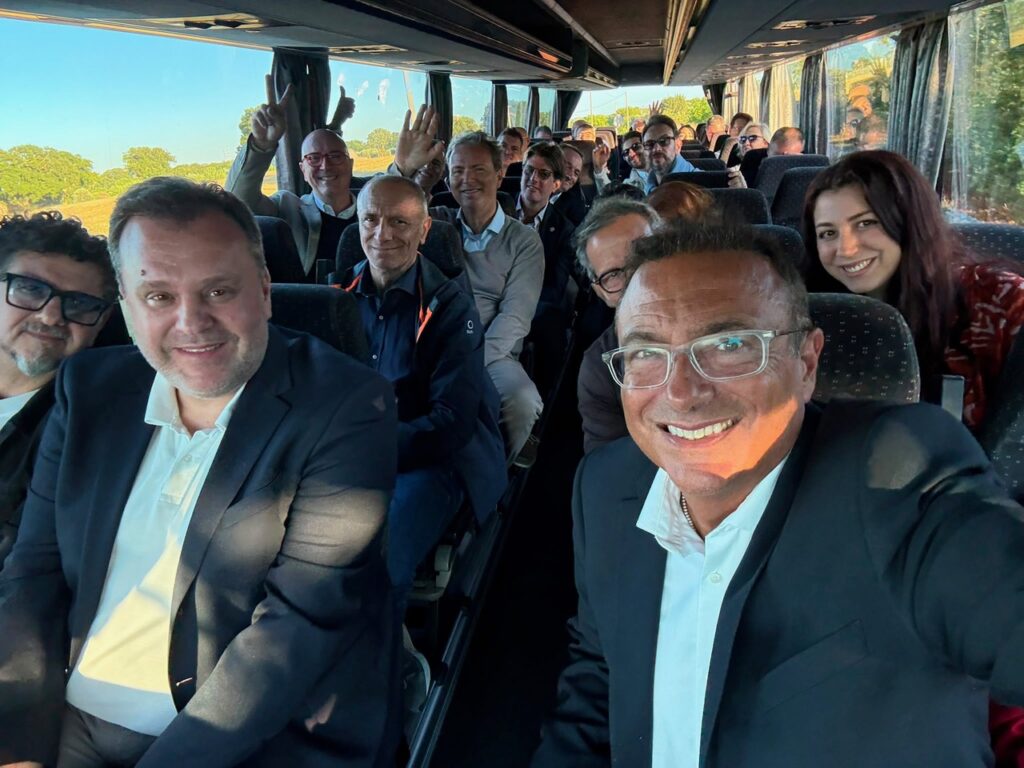
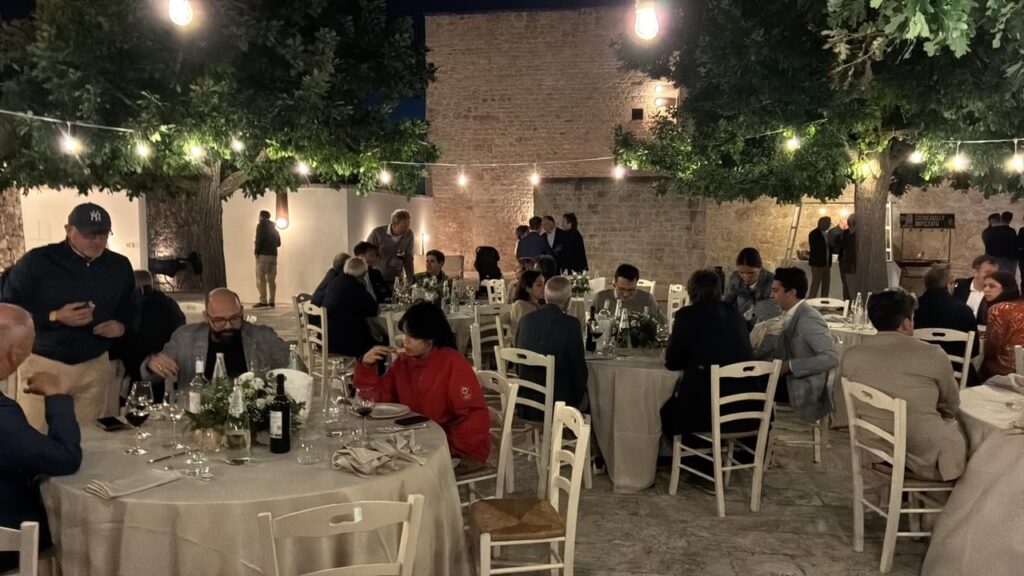
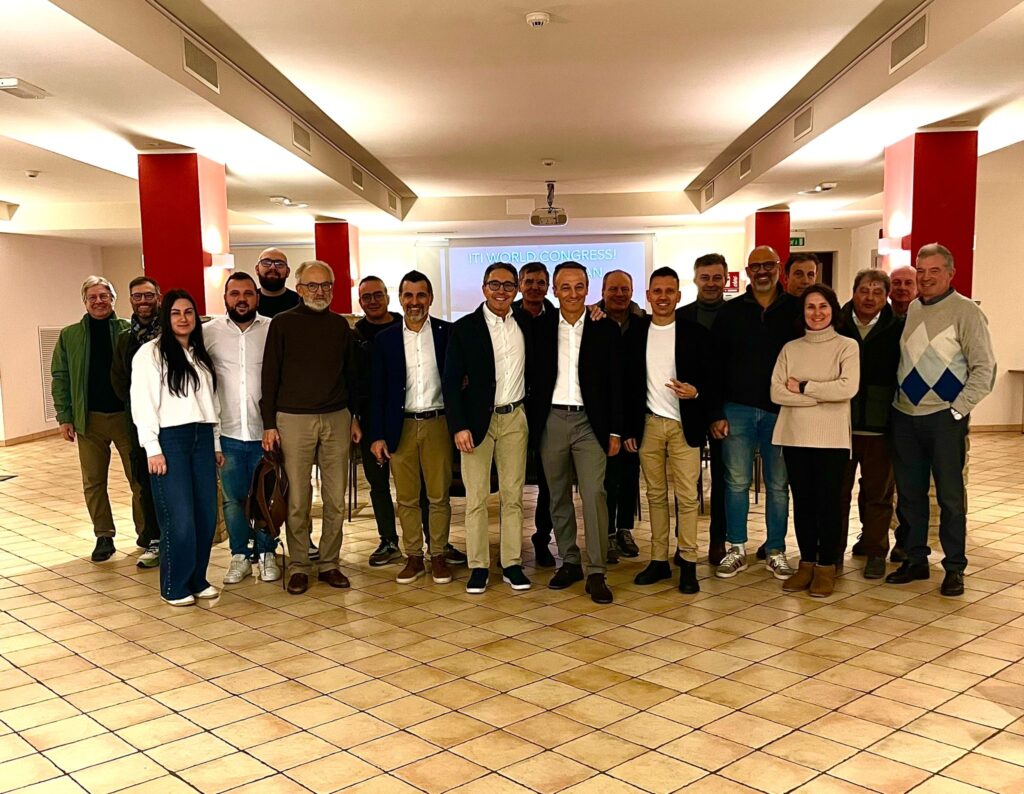
On 12 and 13 June, 39 people sat down together in Selva di Fasano, in Puglia, for the first ITI Italy Closed Meeting. By the time they left, they had agreed on eight principles capturing the clinical values they want the Italian Section to stand for.
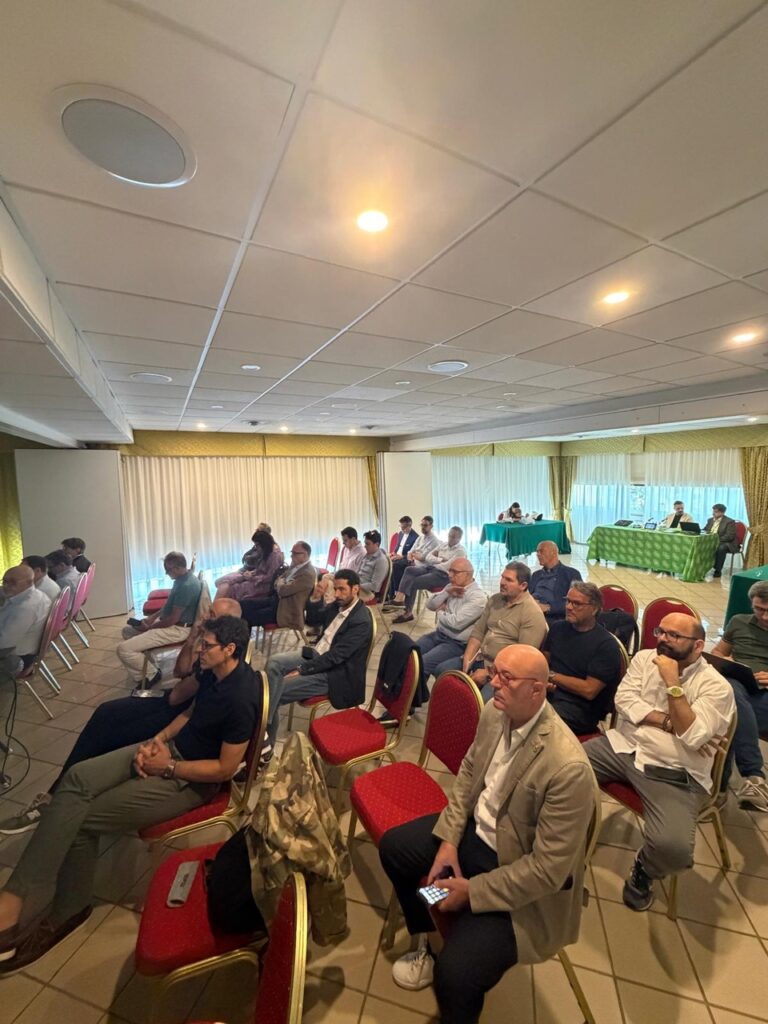
The invitation-only meeting brought together Fellows, Study Club Directors and members of the Leadership Team, all closely involved in the Section’s scientific and educational work. Dr. Mario Roccuzzo, ITI Honorary Fellow, led the discussion. One topic was introduced at a time, giving the group space to debate it and reach a shared position before moving on.
“The unique format created an open environment where experienced clinicians could exchange ideas, learn from one another, and build a shared vision for the future,” says Dr. Enzo Vaia, Senior ITI Fellow. “Everyone contributed, and everyone learned.”
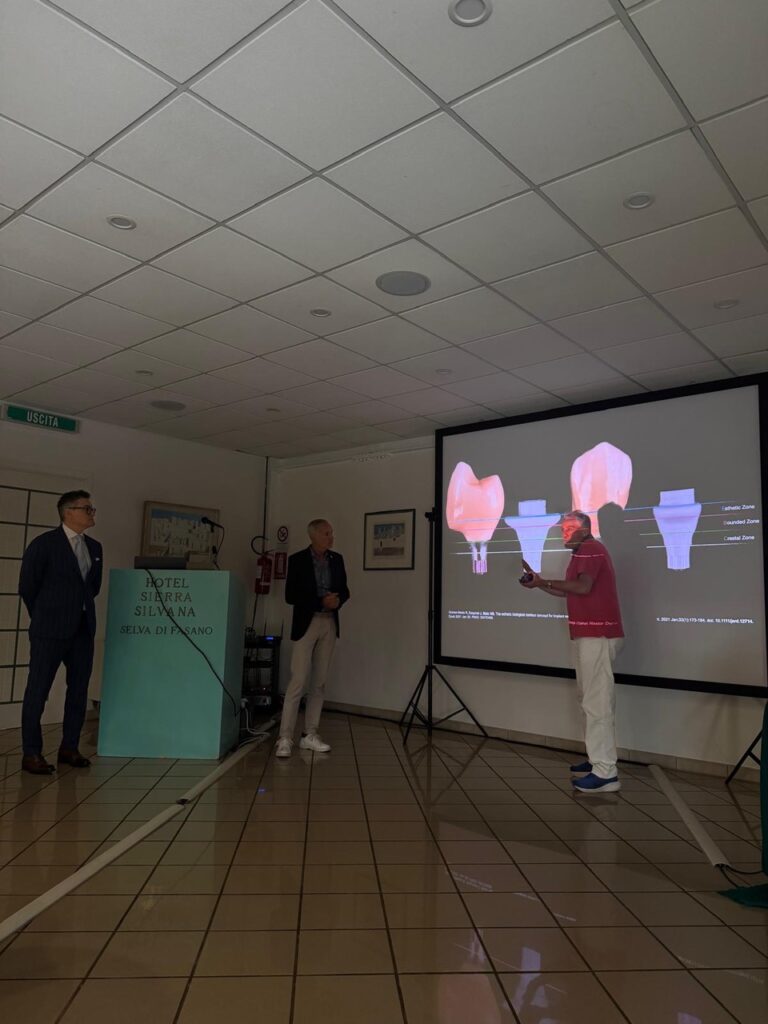
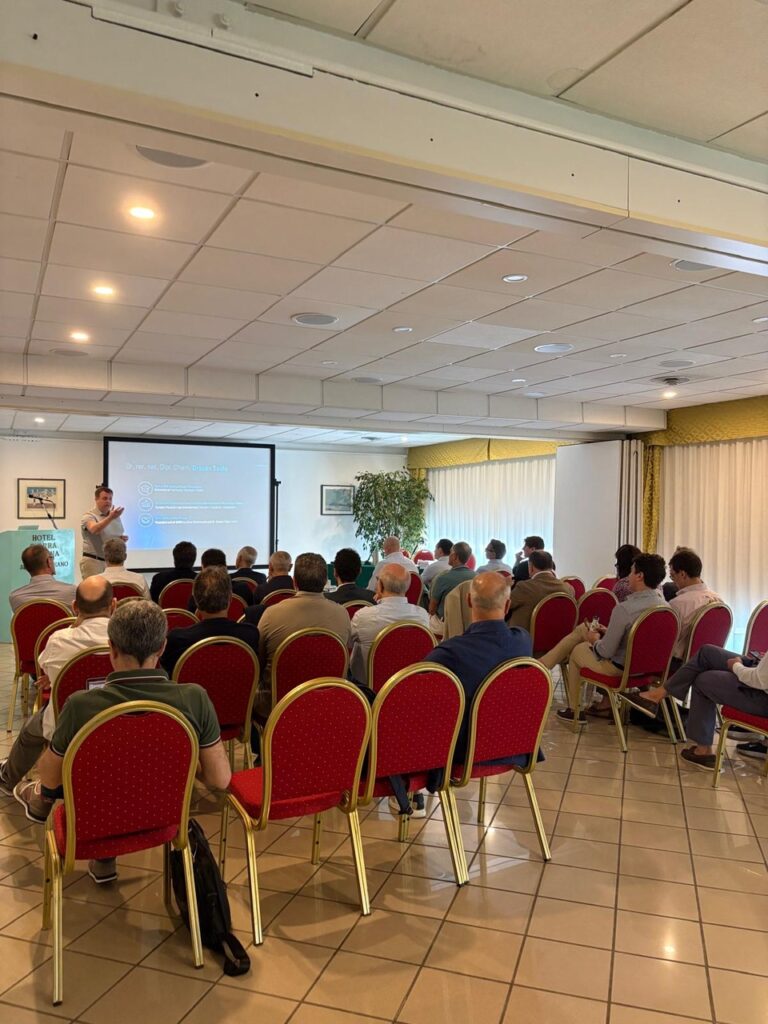
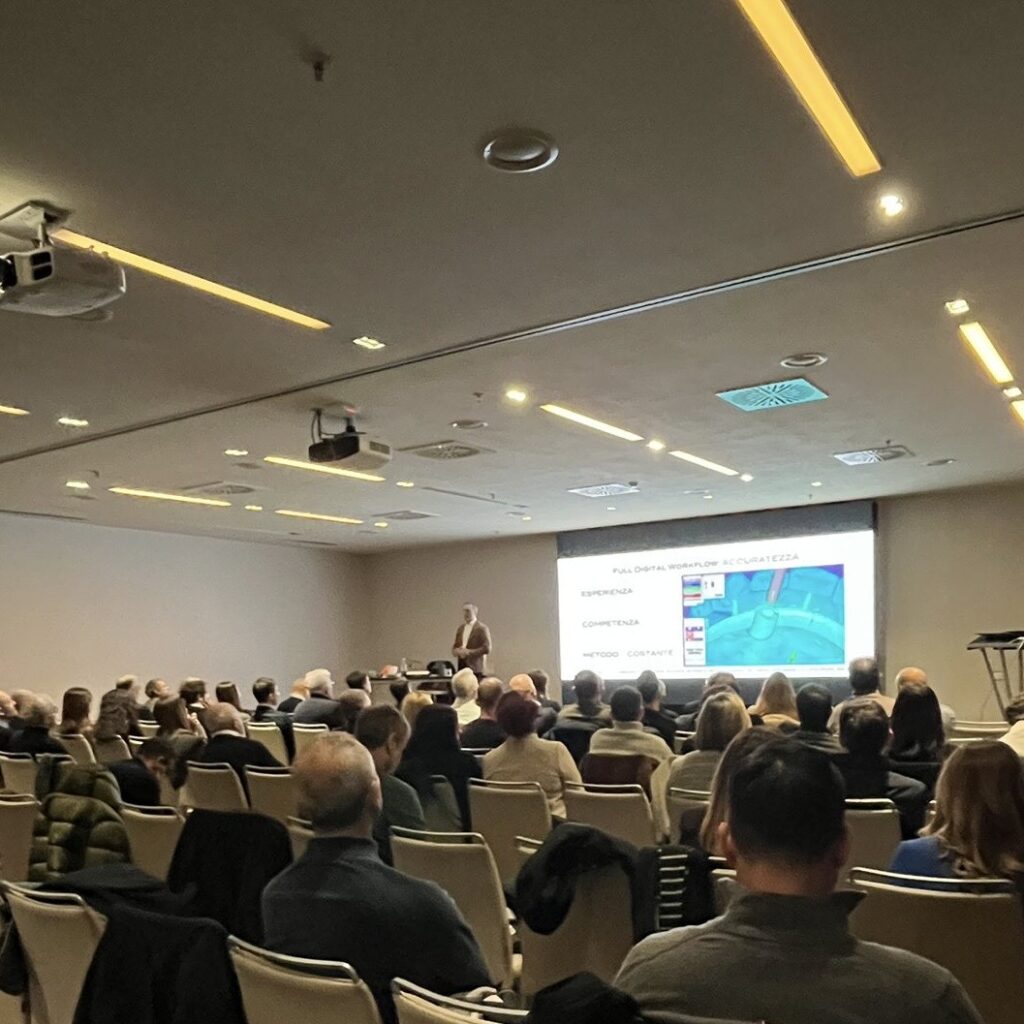
Dr. Leonardo Amorfini, ITI Study Club Director, also presented his own work during the session. “Participating in the ITI Closed Meeting was a unique opportunity to exchange ideas with colleagues and friends who share the same passion for implant dentistry,” he says. “Presenting my work in such a prestigious setting made the experience even more meaningful, combining scientific growth with a genuine sense of community.”
Dr. Francesco Recchia hosted the meeting in his home region. “The Closed Meeting was much more than a scientific event,” he says. “It was an opportunity to strengthen not only our professional relationships, but also the human values that have always been at the heart of the ITI community.”



Growth raised a bigger question
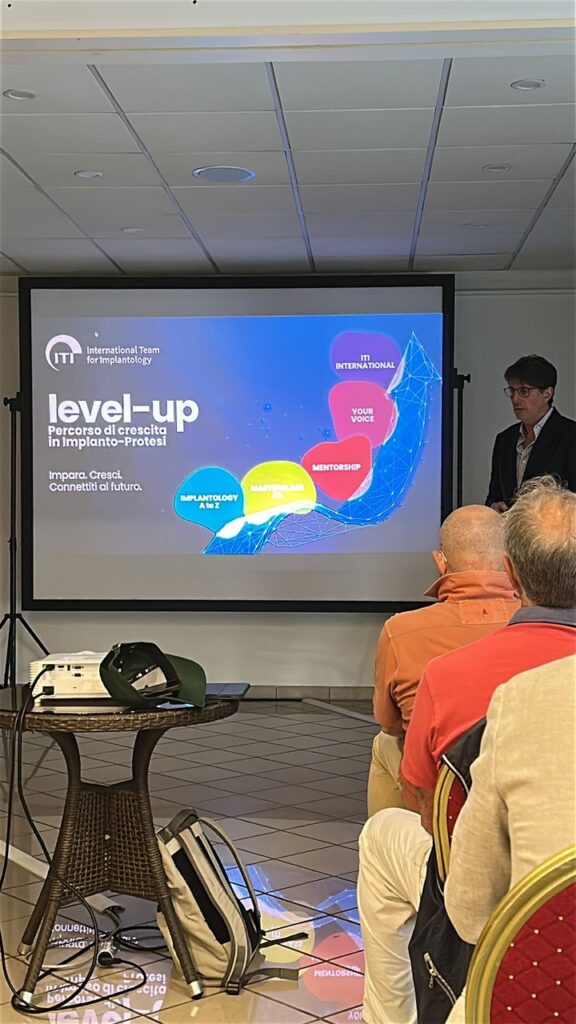
The Italian Section has grown fast over the past few years: a wider network of Study Clubs, a nationwide Study Club Day, and the Level-Up programme for young clinicians.
As the Section continued to grow, the Leadership Team felt it was time to define a shared vision for what should come next. Fellows and Study Club Directors were brought together to discuss the principles and values that should guide future projects and initiatives.
The aim went beyond generating new ideas. It was also about making sure the Section’s continued growth remained consistent with its identity and values.
What was agreed
The result was a professional profile built around scientific rigour, knowledge sharing, clinical responsibility and long-term patient care, captured in eight principles. It starts with prevention.
- A dentist’s role is to prevent and treat diseases of the oral cavity. From that perspective, clinical value is measured by the willingness and ability to preserve natural teeth, not by the number of implants placed.
- Implants remain a valid option for replacing missing teeth or teeth that cannot be saved, but the group was clear that they can carry long-term complications. Patients should not be given the impression that implants are complication-free.
- Implant rehabilitation should be guided by the presence of favourable anatomical conditions. The priority is to minimise the risk of future complications rather than simply shorten treatment time.
- Several of the principles focus on what needs to happen before treatment begins and the information patients should receive.
- Periodontal disease should be treated before implant therapy, given the higher risk of complications. Prosthetic planning should guide implant treatment, with both the type of prosthesis and the treatment timeline determined on an individual basis rather than through a universal standard approach.
- Immediate loading is indicated in selected cases, but should not be presented as superior in terms of medium- and long-term success, particularly when clinical conditions are not ideal.
- Responsibility continues after treatment. Every implant patient should receive clear information about the importance of supportive maintenance therapy, which plays an important role in reducing long-term complications.
- Patients should also receive written documentation specifying the brand, type and position of the implants that have been placed.
The significance of these ideas lies in putting them together and having 39 participants reach a shared position on the principles they want their Section to stand behind.
The meeting gave that shared position a written form for the first time.
What comes next
The document now gives the Leadership Team a common reference point for future Section initiatives and a foundation for projects that follow.
Its audience may eventually extend beyond the professional community. The Section is also considering whether these principles could be communicated directly to patients.
That would take a set of shared professional values and make them more visible to the people receiving care.
Interested in the work of the ITI Italian Section? Explore ITI membership.
Study Club Day 2026: A nationwide educational experience connecting 33 Study Clubs across Italy