With USD 2.2 million to allocate to dental-implant-related studies every year, the ITI Research Committee supports meaningful research projects run by experienced as well as aspiring researchers from all over the world. But there is more to these great professionals than just their work.
In this new feature the ITI Blog takes a 360° look at the personal and professional lives of individual researchers who have received ITI funding.
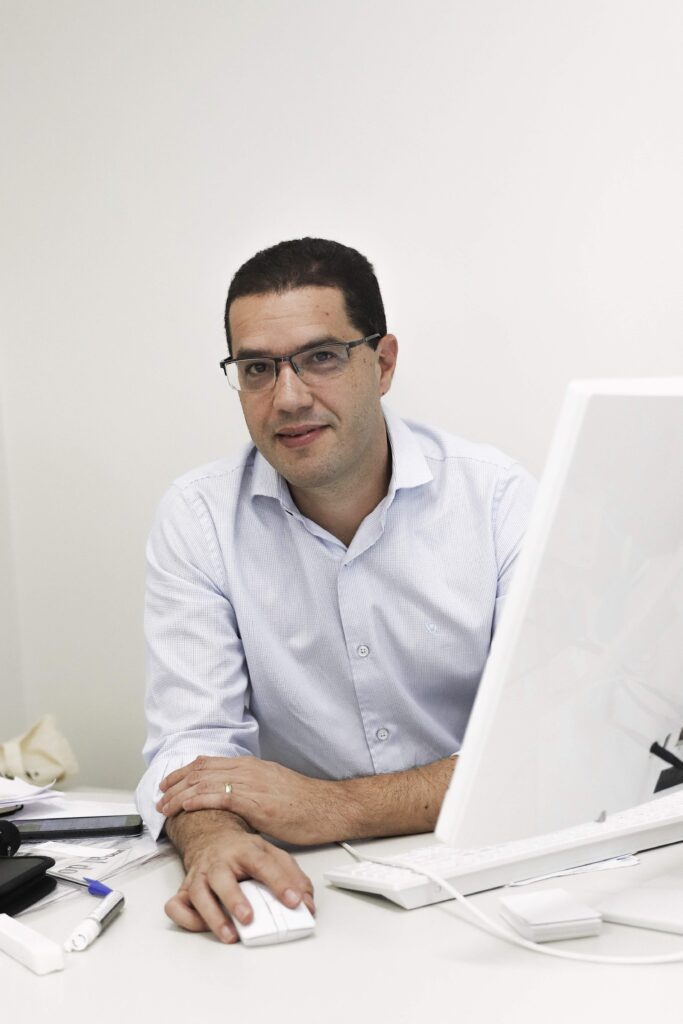
In this issue, we interview Prof. Dr. Cláudio Leles, Professor at the Faculty of Dentistry – Federal University of Goiás.
Can you tell us a bit about yourself and your team?
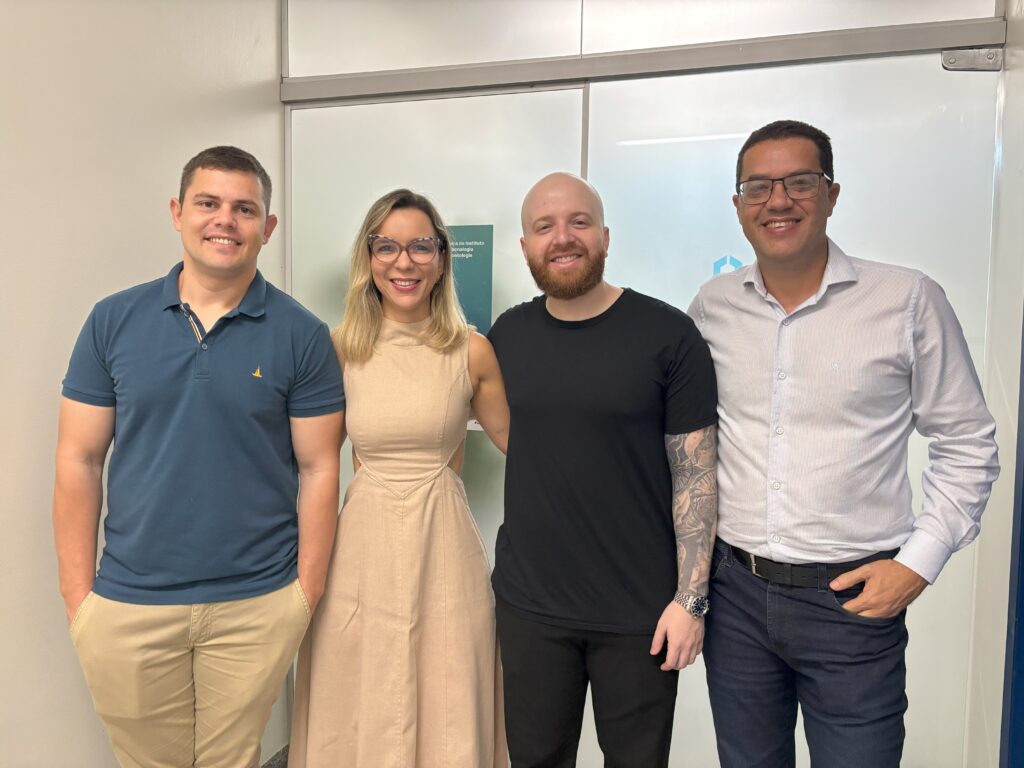
I am a prosthodontist with almost 30 years’ experience, with a special focus on clinical research. For the last 23 years, I have been teaching and supervising students at the undergraduate and graduate levels with their research projects and clinical practice.
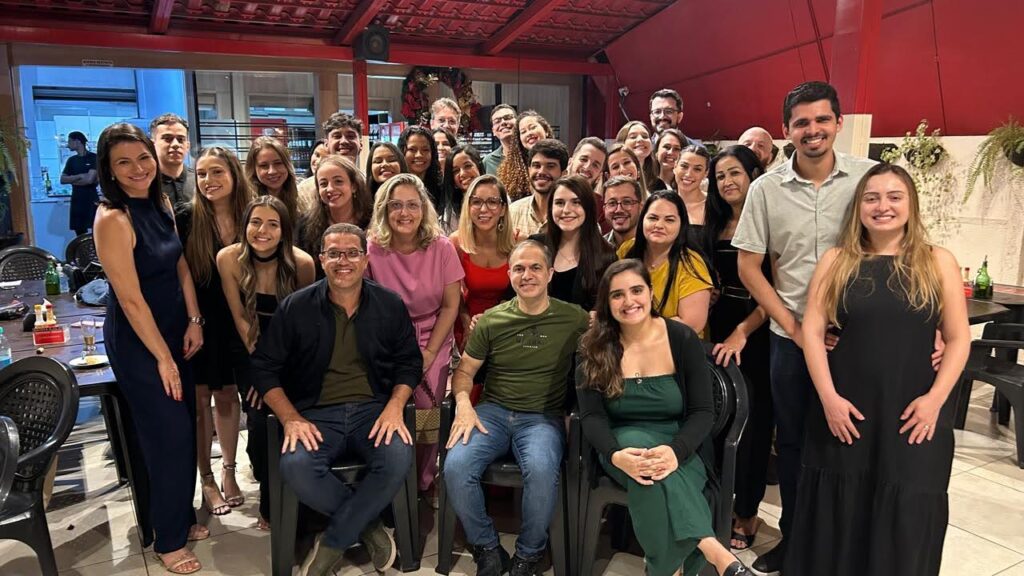
I work in a clinical research center within the school of dentistry at Universidade Federal de Goiás that provides clinical treatments for the community and conducts studies addressing treatment needs for adults and older patients. The team comprises faculty and clinical staff, residents, and postgraduate students. We also have a program introducing undergraduates to small clinical studies and research experience.
Our priority is to integrate clinical research and practice, aiming to improve access to prosthodontic care, particularly dental implants, since inequalities in oral health care provision constitute a significant challenge in our local scenario, which is also a major concern worldwide.
How much of your time is devoted to research?
Since my promotion to full professor in 2018, I have dedicated almost all my time to research. Coordinating and supervising multiple simultaneous clinical studies while securing financial and material resources has been a significant challenge. However, we are learning daily how to manage these complex tasks, and keeping the team motivated has been a key factor in our success.
Give us a brief description of your projects.
Our research projects investigate simplified, low-cost, and low-invasive interventions for the oral rehabilitation of elderly patients with both conventional and implant-supported prostheses. This priority is not just justified, but urgent, given the high prevalence of edentulism in adults and the elderly as well as the considerable negative impacts on quality of life, esthetics, oral function, and the psychosocial well-being of a large part of the Brazilian population.
Currently, our most relevant projects address the treatment of edentulous patients with a reduced number of implants or minimally invasive approaches using mini-implants for overdentures. A series of publications have given relevant insights into the surgical and prosthetic protocols, prognostic factors affecting primary treatment outcomes, perceived patient benefits, and incidence of post-insertion adverse events.
We also focus on long-term longitudinal assessments of prosthodontic and implant outcomes and investigate the utility of functional tests and alternative methods for assessing oral function and indicators of treatment outcomes.
What would be your ideal job?
I have already reached most of the career goals I planned at the beginning of my professional life. I plan to continue leading cutting-edge research projects in prosthodontics and the interfaces between implant dentistry and digital technologies. And I hope to inspire the next generation of researchers with high competency and social commitment.
Can you describe a typical weekday?
A typical working day begins at 7:00 after I have taken my two kids to school. My day includes treating patients, supervising students, managing lots of emails, writing and reviewing articles, meetings, and administrative issues. As a director of the State Research Foundation, I am also in close contact with researchers and managers from other universities and research institutes.
Although my days are busy, there are plenty of discoveries, learning, and great satisfaction in seeing students grow and patients show a new smile.
Tell us where you are based.
I live in Goiânia, a large, young city in Central Brazil. Typically, in my town, it feels like summer all year around, and it has a vibrant nightlife and good quality of life, with the largest number of parks and woods in Brazil.
What do you enjoy apart from work?
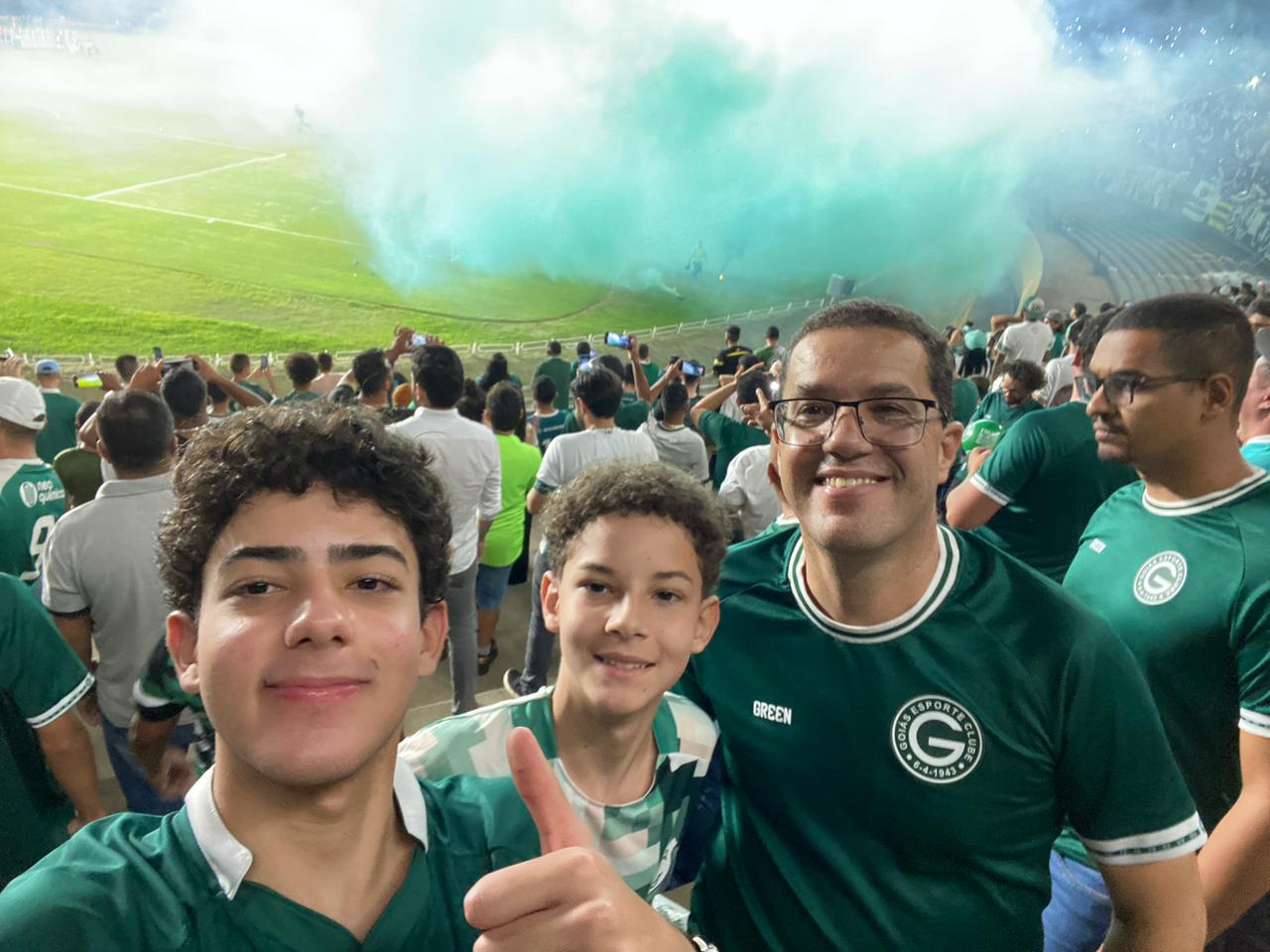
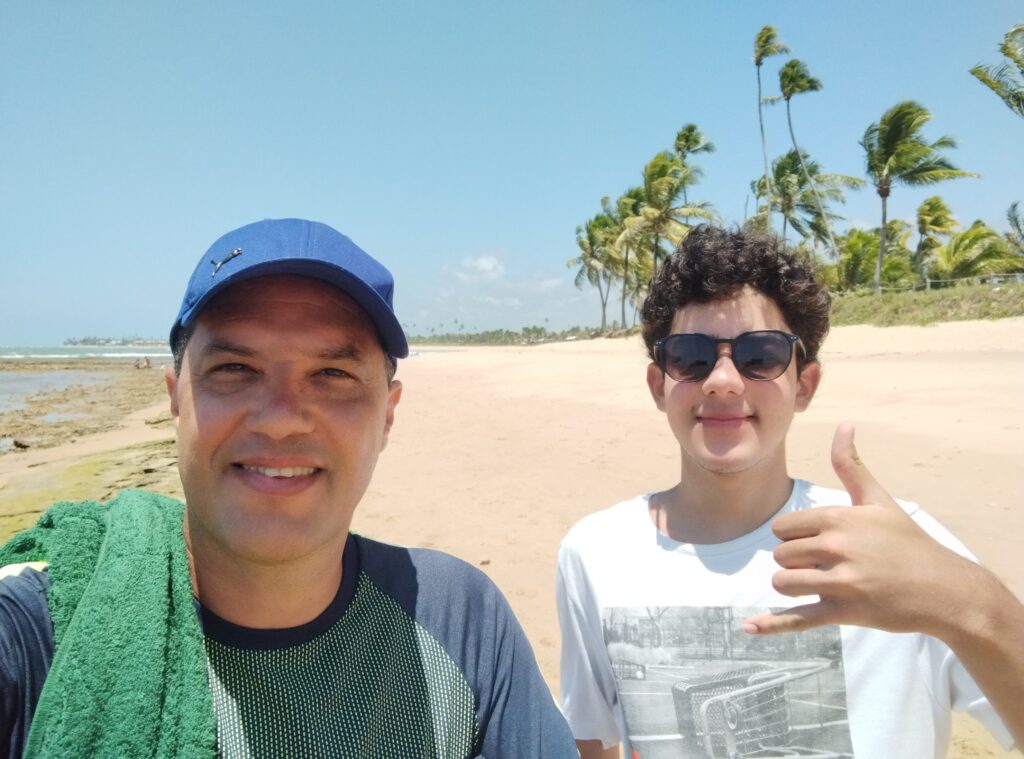
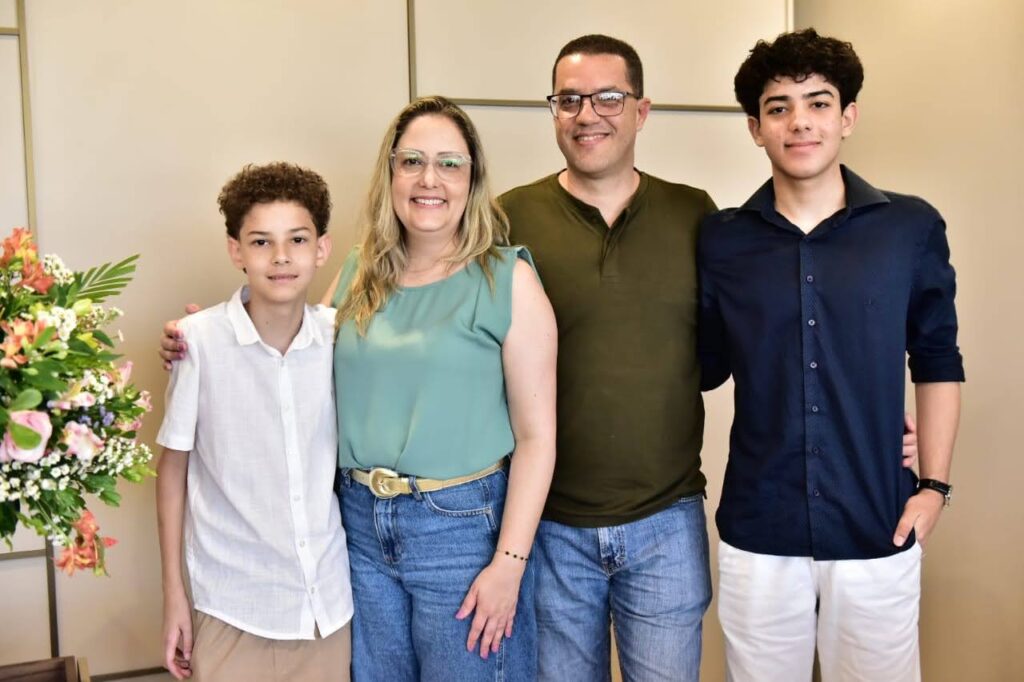
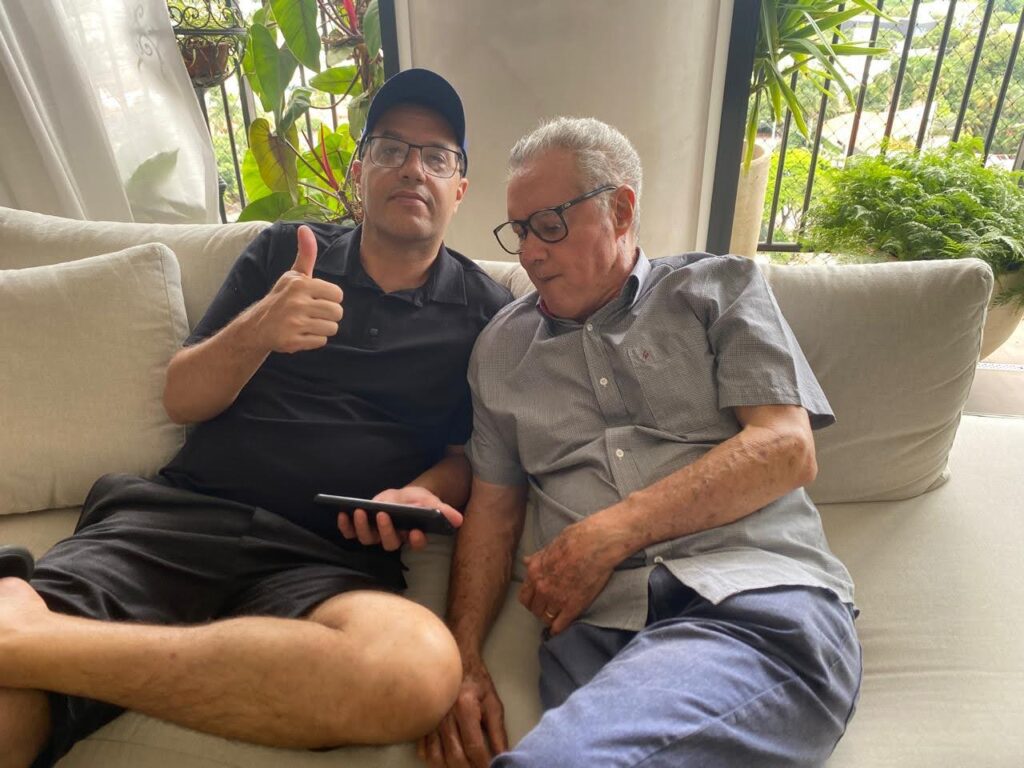
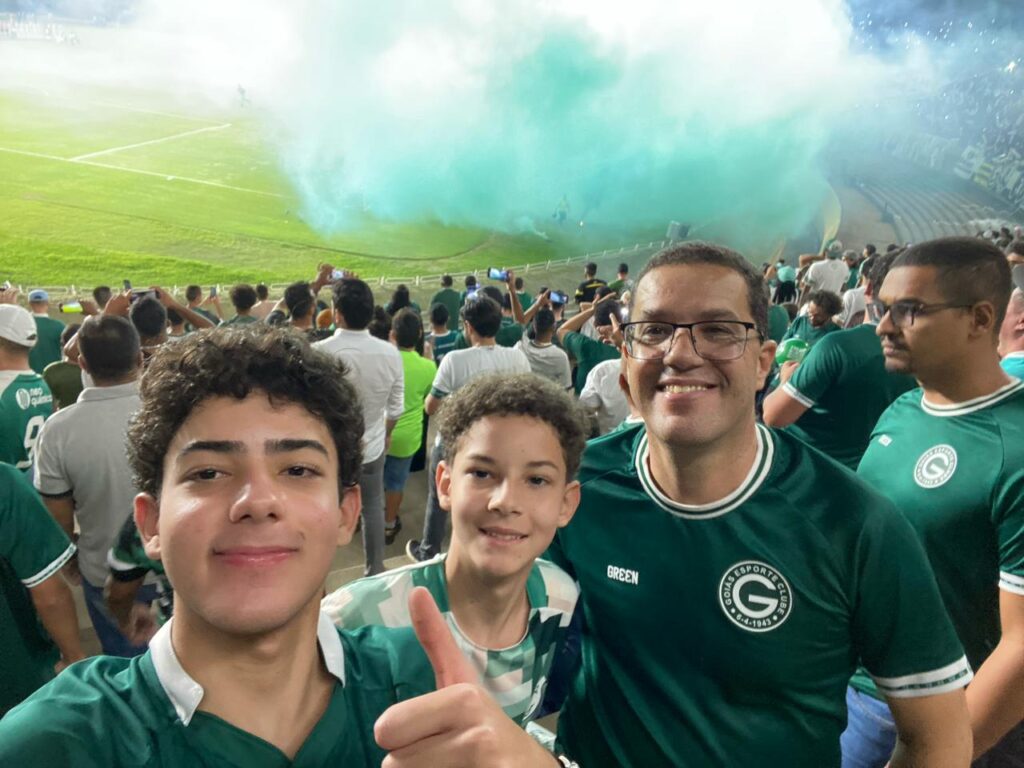
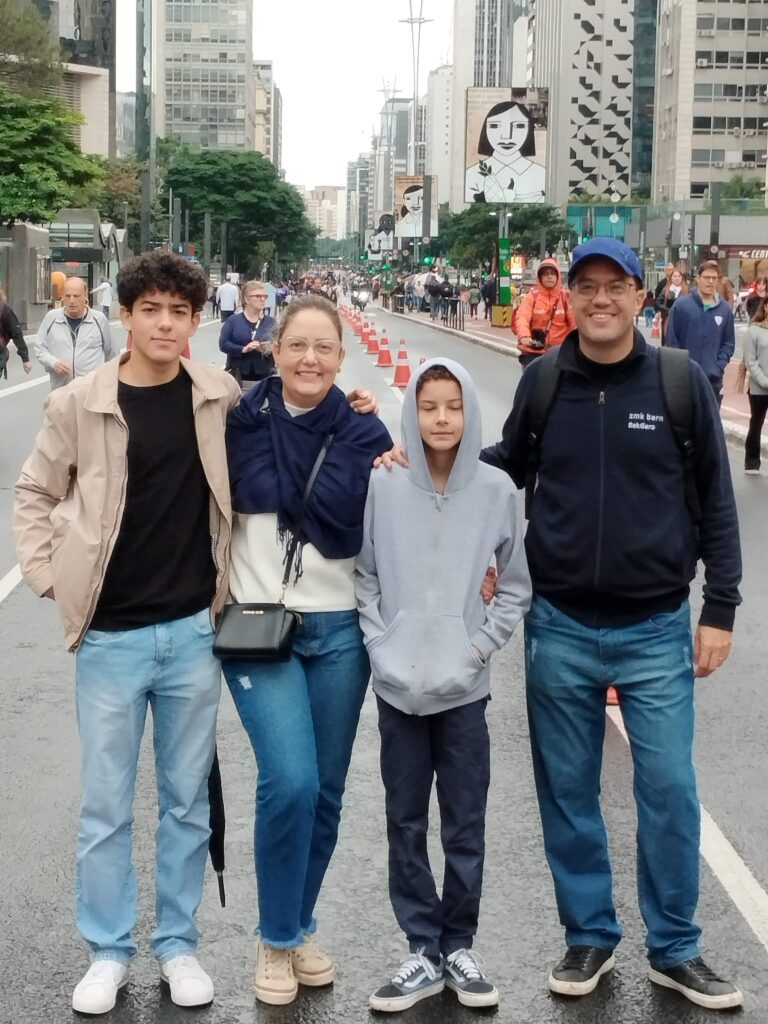
My lovely wife and I have two boys, aged 14 and 18. We are always together, listening to music, cooking typical foods, walking around the city, and enjoying life with friends and family. At the weekend, I like to relax and have fun with my family with great food and nice drinks. As typical Brazilians, we love football, especially when our local team is playing, and cold beer when it is hot is always welcome.
About ITI Research grants
The ITI provides funding for research projects in the field of implant dentistry and related areas that the ITI Research Committee has judged deserving of support. Part of the ITI’s annual research budget is allocated to applications whose projects deal with specific areas of interest defined by the ITI Research Committee.
The deadlines for ITI Research Grant applications are February 28 and August 31.
Apply for an ITI research grant.