Innovation in implant dentistry does not always wait for the evidence to catch up.
New technologies, materials and treatment approaches can begin influencing clinical practice while the scientific evidence around them is still developing. For clinicians, this creates a familiar challenge: how do we assess what is genuinely promising, what is ready for clinical use, and where more research is still needed?
This is the space the ITI Innovation Forum aims to address.
The new initiative brings together researchers, clinicians and experts from relevant fields to examine emerging topics in implant dentistry where clinical interest is growing, but the evidence base has not yet fully matured. Rather than waiting for a field to become established before assessing it, the Forum aims to engage earlier — helping to identify what is known, where uncertainties remain and which questions should shape future research.
Looking beyond established evidence
Traditional consensus processes are well suited to topics where a substantial body of scientific evidence already exists. Emerging technologies present a different challenge.
As Saso Ivanovski explains, many technologies affecting implant dentistry are developing rapidly, while the high-quality, long-term evidence needed to support traditional consensus development may not yet be available.
“Many technologies that impact implant dentistry are developing rapidly. These topics lack significant high quality research to support traditional clinical consensus development, yet the impact on clinical practice is significant.”
For the ITI, this creates an opportunity to complement its established approaches with a format specifically designed for fields that are still evolving.
“Traditional consensus meetings mainly look backwards at existing evidence. The Innovation Forum is designed to look forward, addressing emerging technologies and innovative topics where evidence is still limited, and helping to steer their future clinical development and research.”
This forward-looking perspective is at the heart of the Forum. It does not mean lowering the threshold for evidence or replacing established scientific methods. Instead, it creates a structured space to ask the questions that need to be answered while a field is still developing.
What can expert discussion add?
When evidence is limited, expert experience can provide important context — but it needs to be clearly distinguished from established scientific evidence.
Emerging technologies may have limited long-term clinical data, evolving terminology and different approaches being used by early adopters. Bringing together people with experience across clinical practice, research and other relevant disciplines can help identify where the uncertainties really lie.
For Momen Atieh, one of the important contributions of the Innovation Forum is precisely this process of making uncertainty more useful:
“It can help identify where experts agree, where genuine uncertainty remains, and why. Importantly, it can turn those uncertainties into focused questions and priorities for future research.”
This distinction is important. The purpose of a structured expert discussion is not to create premature consensus around an emerging technology. As Yong-Dae Kwon puts it:
“The goal is not premature consensus, but to define what evidence is still needed for responsible clinical adoption.”
In this sense, the Forum can serve as a bridge between innovation and evidence generation — helping to define the questions that future studies need to answer.
The first topic: Patient-Specific Implant Treatment
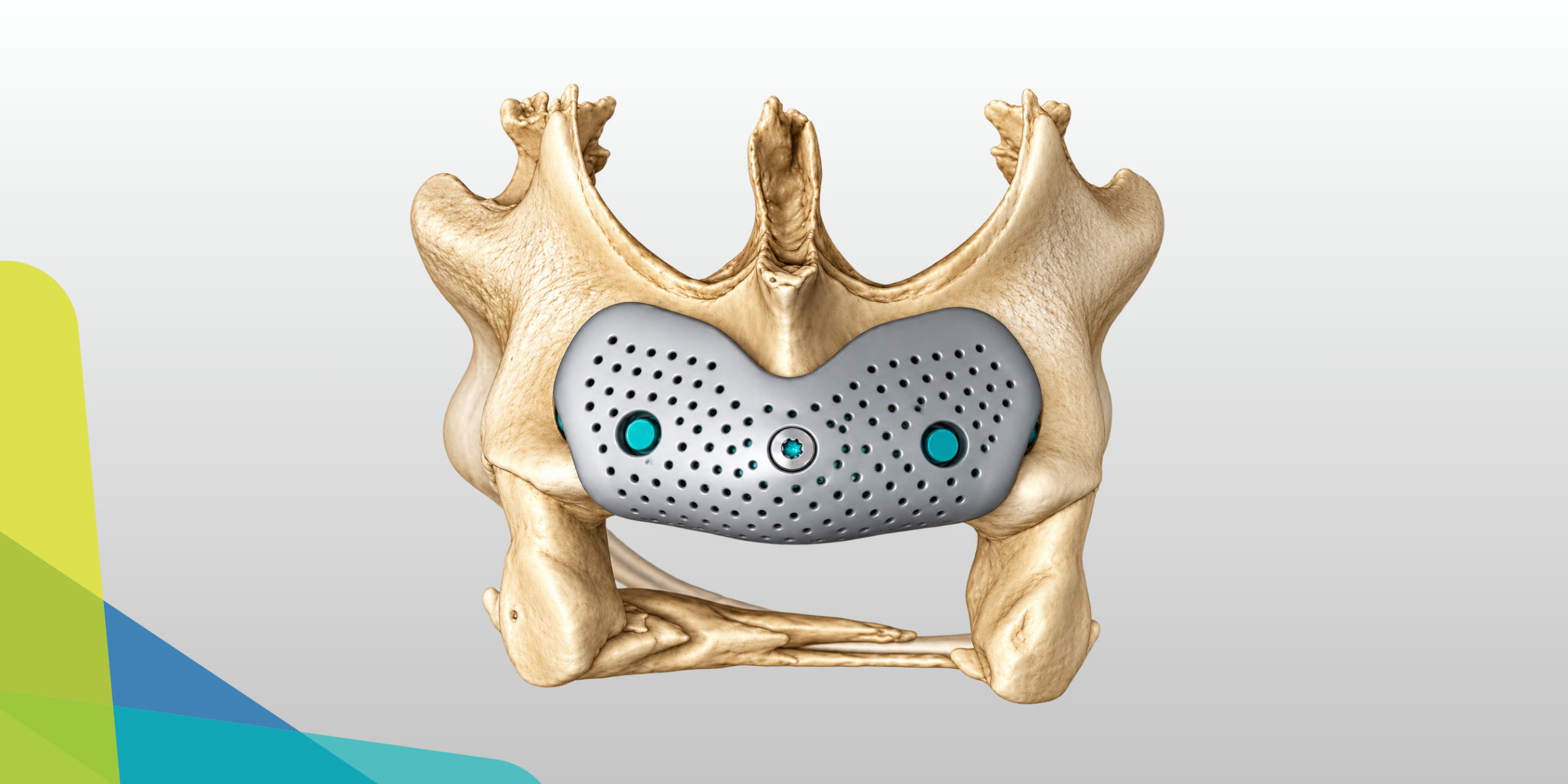
The first ITI Innovation Forum will focus on Patient-Specific Implant Treatment, an area in which advances in digital technologies, planning, design and manufacturing are opening up new possibilities for personalized treatment.
At the same time, important questions remain.
Which patients and defects are most likely to benefit from patient-specific approaches? How should patient-specific devices be designed and integrated into digital workflows? What factors influence their clinical performance? And, importantly, do these customized approaches offer meaningful clinical advantages over established treatment options?
These are not simply technological questions. They concern indications, clinical effectiveness, workflows, surgical accuracy, complications and long-term predictability.
The challenge is therefore to understand where patient-specific approaches may offer genuine clinical value, while identifying the evidence that is still required.
For the ITI, this makes Patient-Specific Implant Treatment a fitting starting point for the Innovation Forum: it is an area where clinical interest and technological development are moving forward, while important questions remain unanswered.
From discussion to research priorities
Identifying unanswered questions is only the beginning.
A central ambition of the Innovation Forum is to translate those questions into meaningful research priorities. By bringing together different perspectives, the Forum can help identify where research could have the greatest impact and where evidence generation should be directed next.
The aim is also to create a process that can evolve. As stronger evidence becomes available, the questions and priorities identified through the Forum can be revisited and refined.
This could ultimately create a cycle in which emerging technologies are examined early, knowledge gaps are identified, and research is stimulated to address them.
As Momen Atieh describes it, the ambition is to “identify important knowledge gaps earlier, define clinically meaningful research priorities, and provide a framework that can evolve as stronger evidence becomes available.”
For the ITI, this also creates an opportunity to connect the Forum’s outcomes with future research activities and collaborative studies, helping to stimulate evidence generation in areas where it is most needed.
Shaping what comes next
The Innovation Forum is not intended to predict which technologies will define the future of implant dentistry. Nor is it designed simply to catalogue what is new.
Its purpose is more practical: to create a structured way of examining emerging developments, identifying what is currently understood, recognizing where uncertainty remains, and defining what needs to be investigated next.
The first Forum on Patient-Specific Implant Treatment is a starting point. Future Forums will address other emerging areas where clinical practice is evolving and where research needs to keep pace.
Ultimately, the value of the Innovation Forum will be measured not only by the discussions it generates, but by what follows from them: clearer research priorities, stronger evidence and, ultimately, better-informed clinical decision-making.
As the field of implant dentistry continues to evolve, the questions asked today can help shape the research — and the clinical practice — of tomorrow.