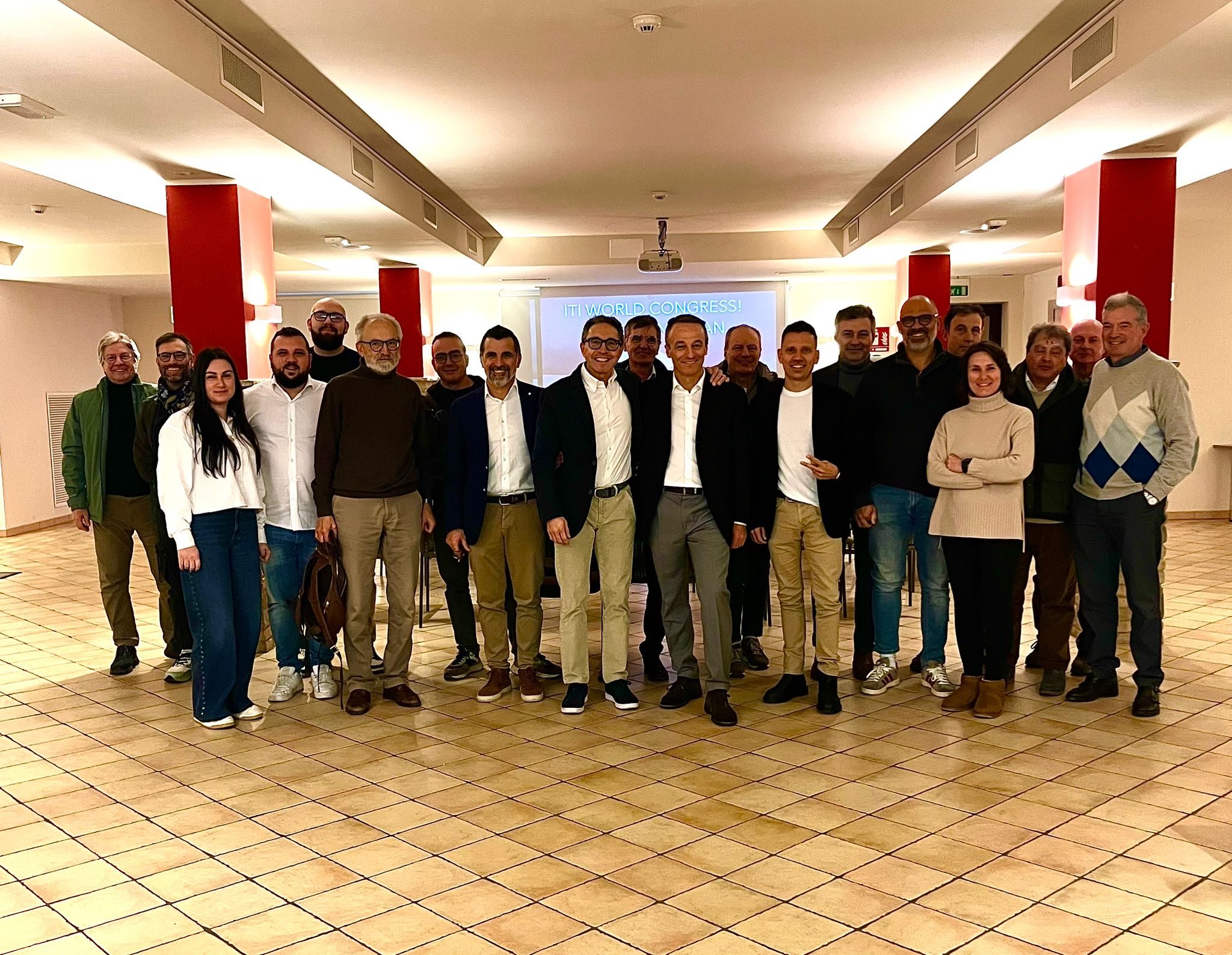
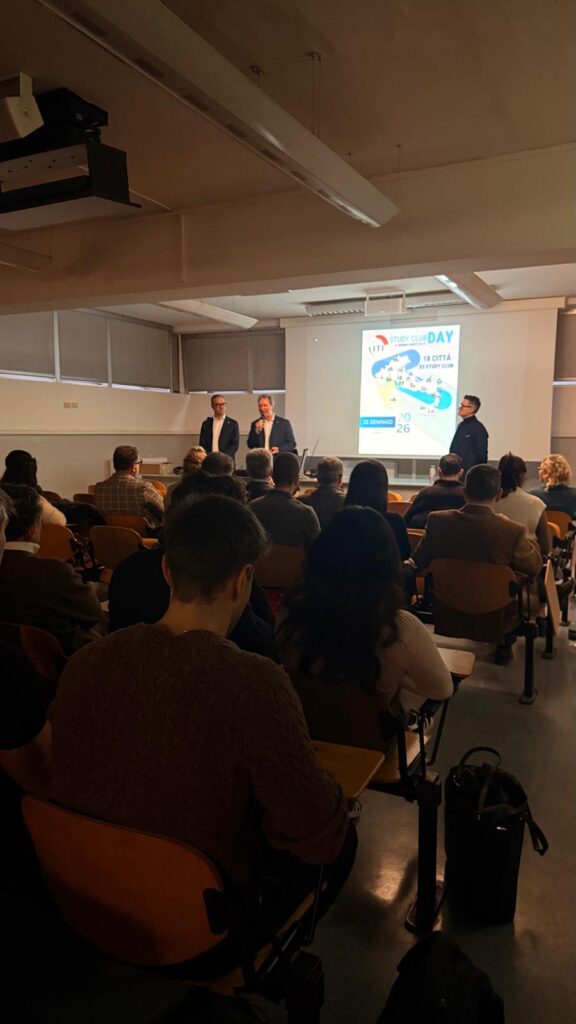
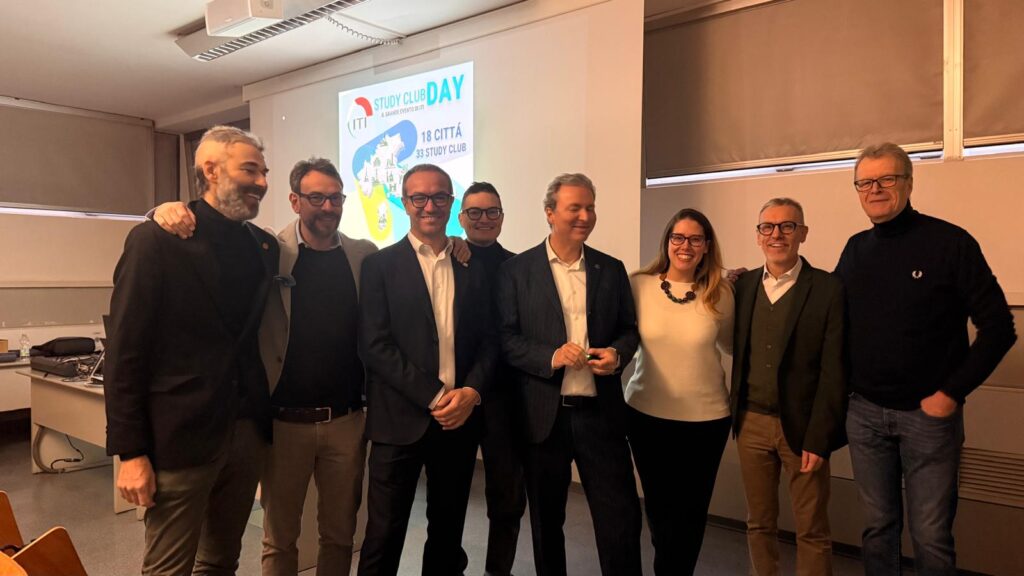
On January 31, 2026, the ITI Section Italy once again transformed the country into a vibrant and interconnected educational network through the second edition of the Study Club Day.
Following the strong impact of the inaugural 2025 edition, this year’s event confirmed the solidity of the format while demonstrating remarkable growth in scale and engagement. What began as an ambitious initiative has now evolved into a structured and recognizable annual appointment for the Italian ITI community.
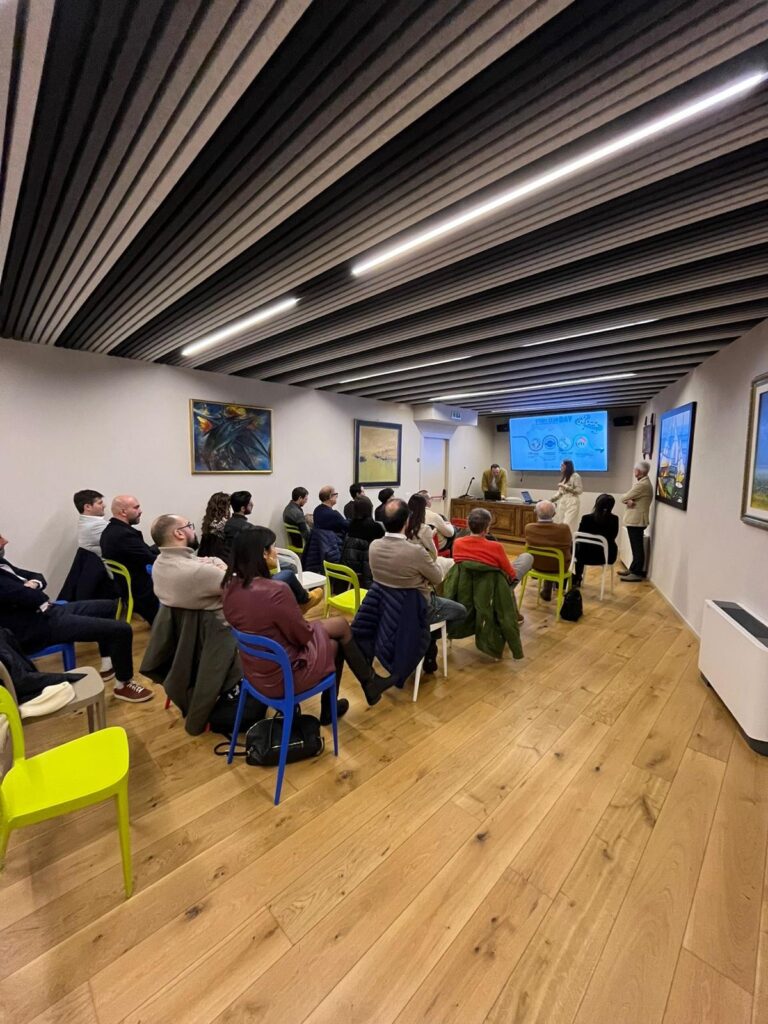
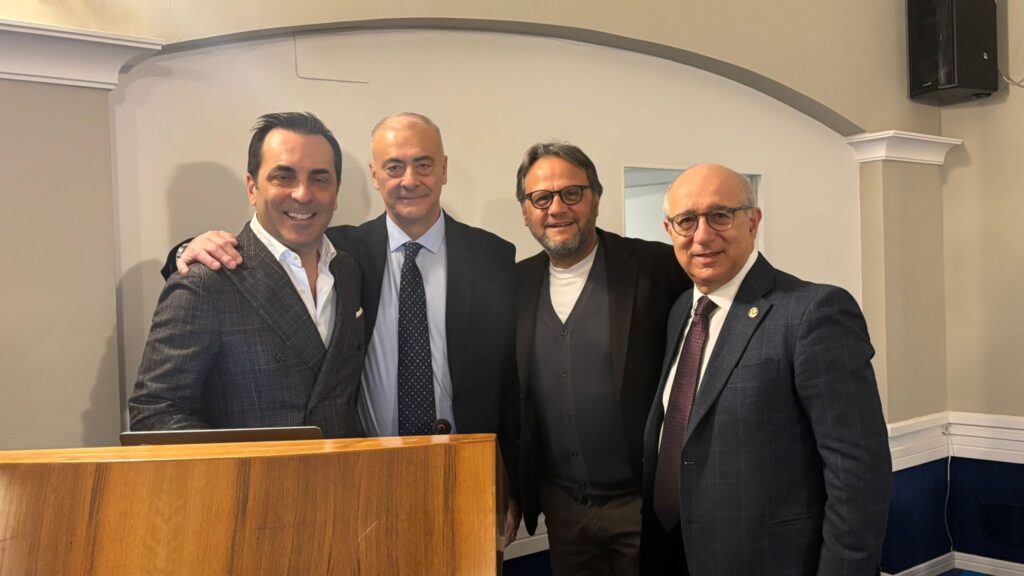
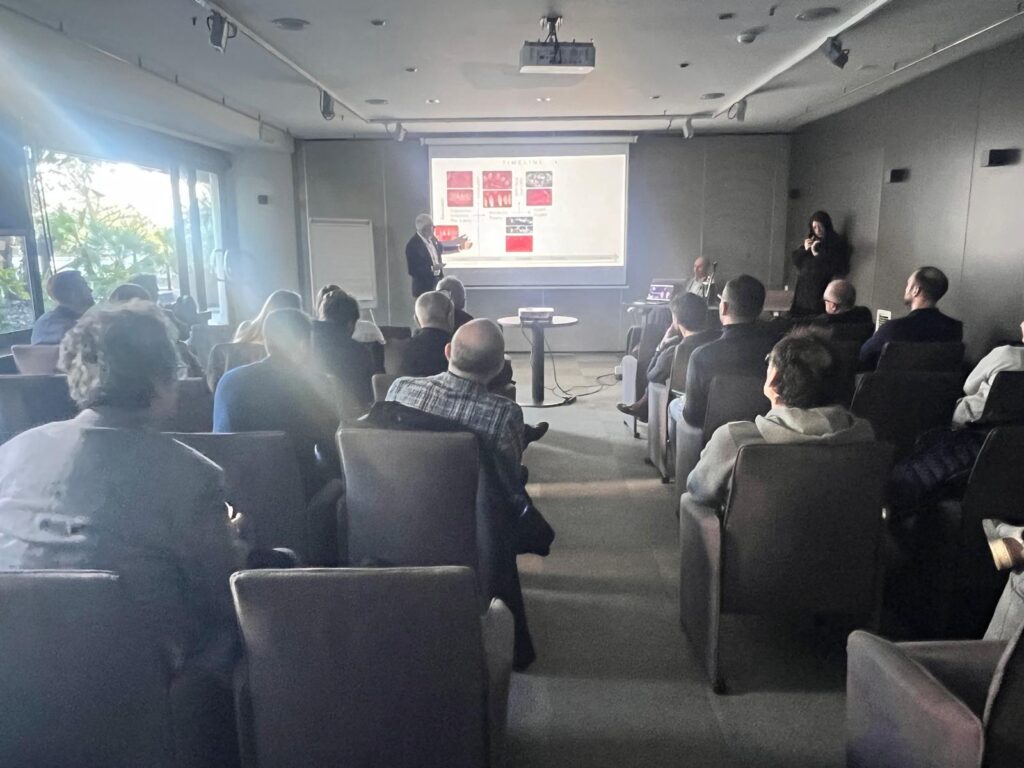
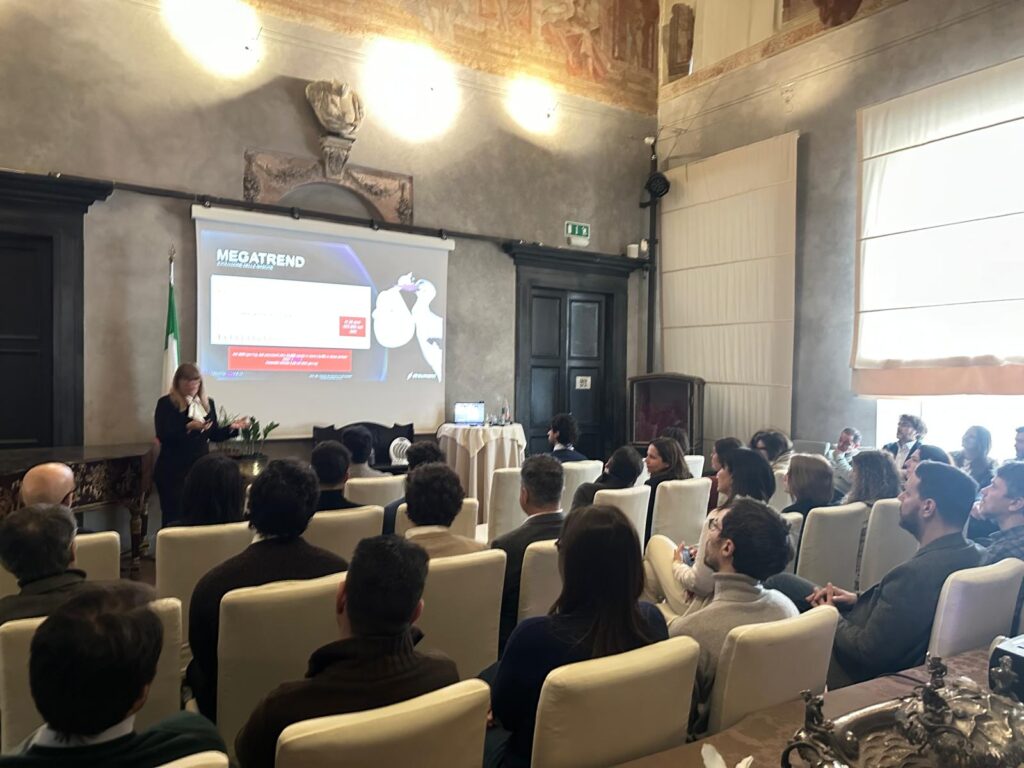
The 2026 edition brought together 33 Study Clubs across 18 cities, engaging 901 participants in simultaneous Saturday morning meetings. From the northern Alpine regions to the southern coastline, extending to Sicily and Sardinia, Italy became a single distributed lecture hall – geographically decentralized, yet scientifically unified.
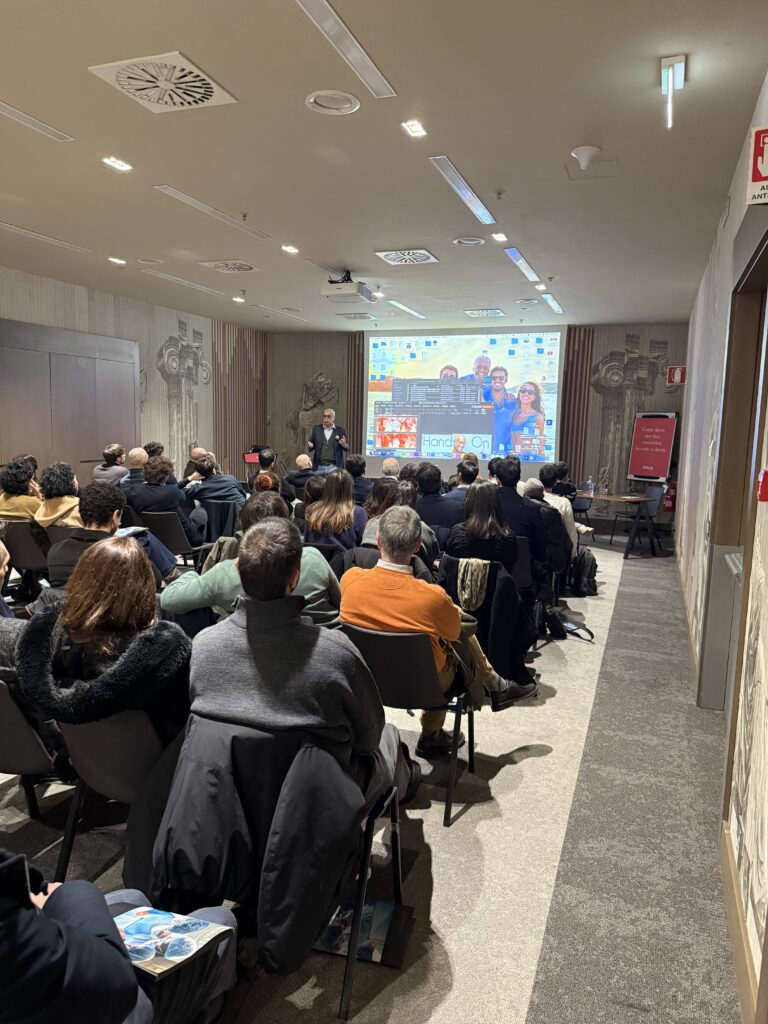
A flexible format: joint and single events
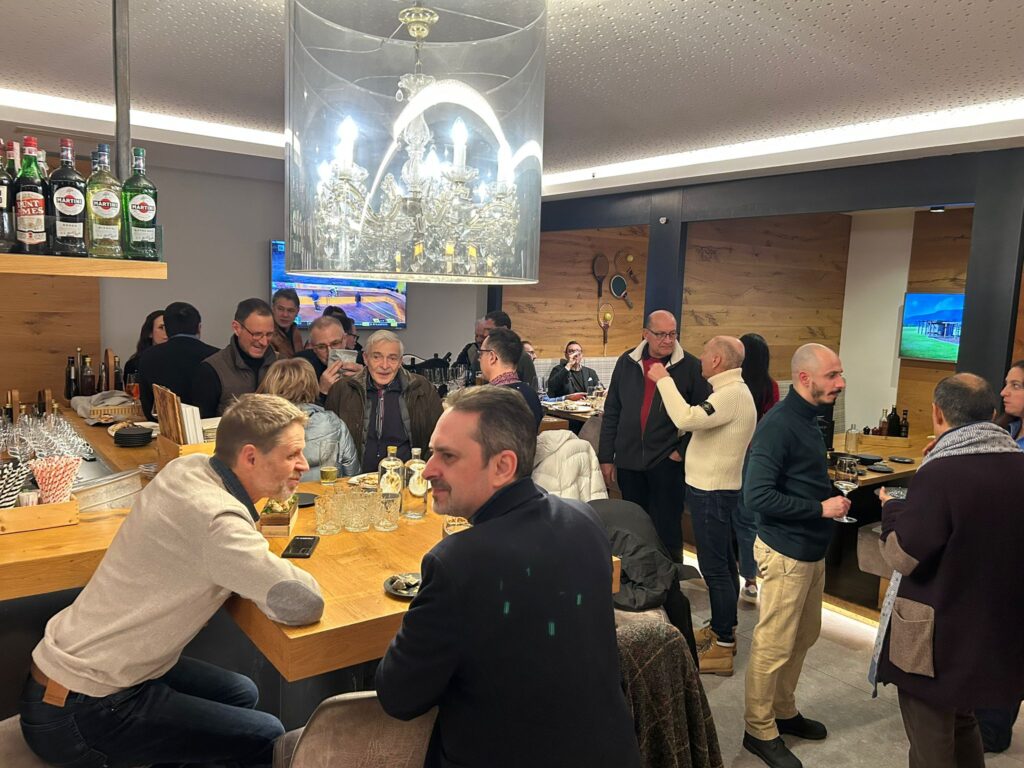
Study Club Day 2026 balanced regional collaboration with local identity by combining joint multi-club meetings with individually organized single events. Each Study Club Director chose their own topic, producing a scientifically rich and heterogeneous program spanning implant-prosthetic strategies, tissue management, regenerative surgery, digital workflows, AI, and interdisciplinary communication.
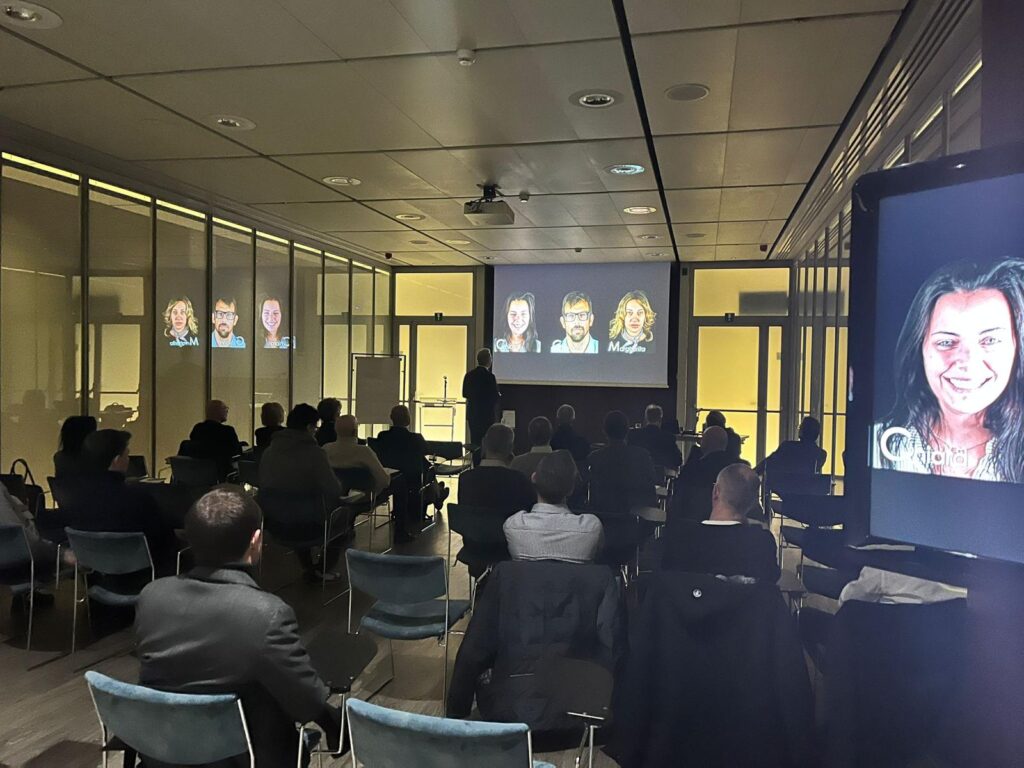
The speaker panel showcased the depth of the Italian ITI Section – Fellows, internationally recognized experts, and emerging voices – whose intergenerational dialogue elevated the day’s scientific character. A unified visual identity, live Zoom connection across all 18 cities, and real-time Instagram coverage turned a distributed event into a single, cohesive experience.
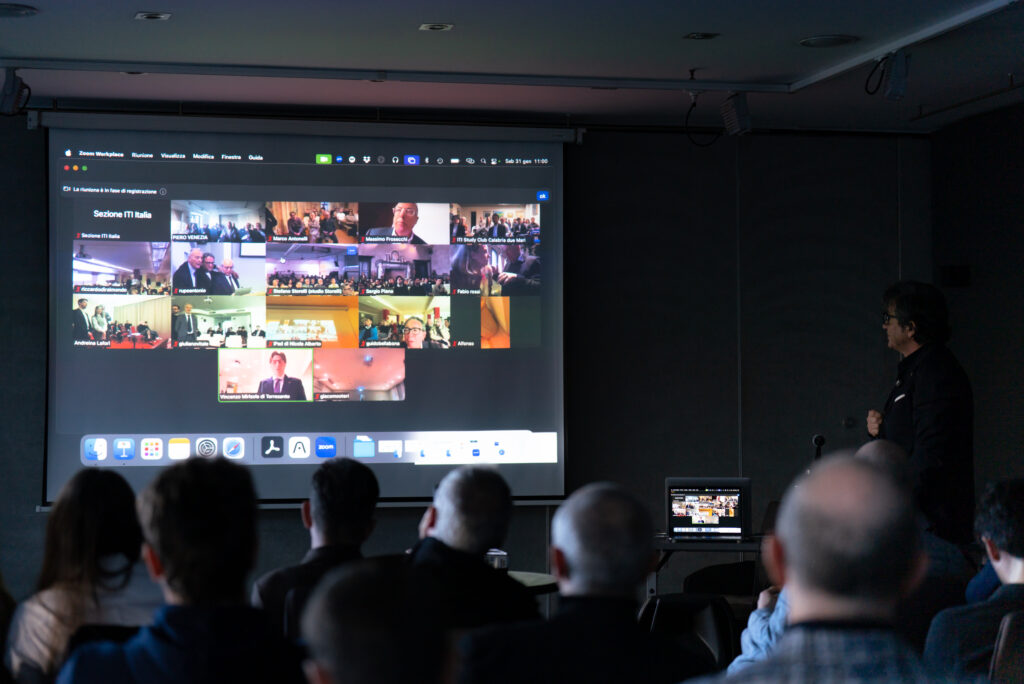
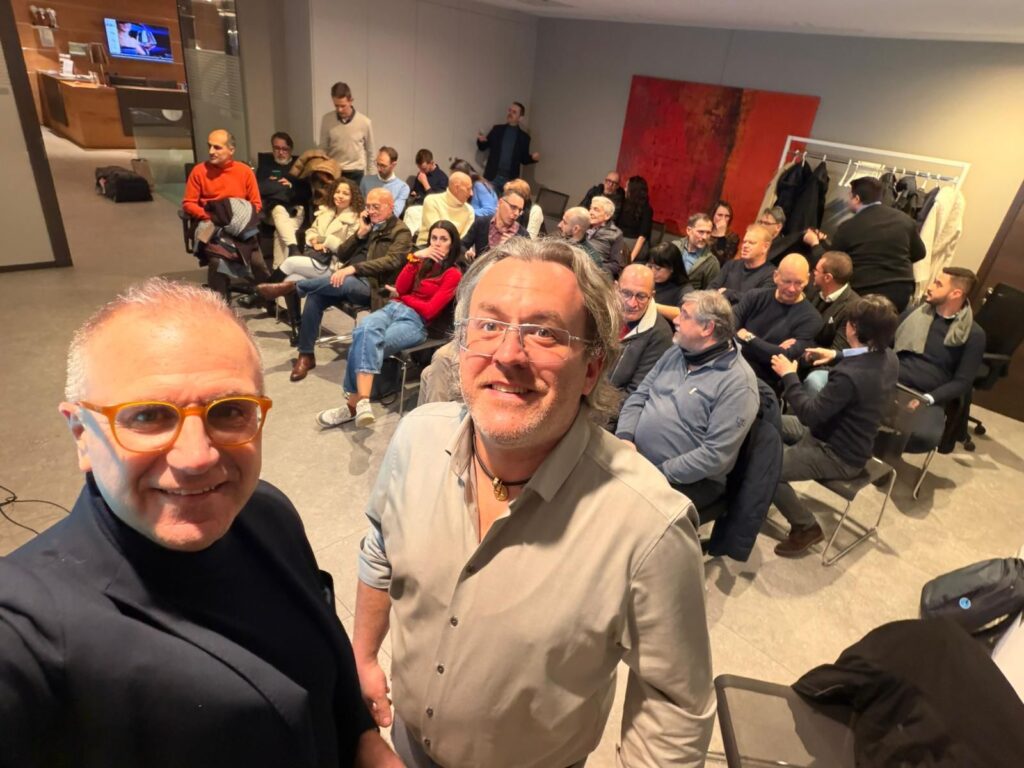
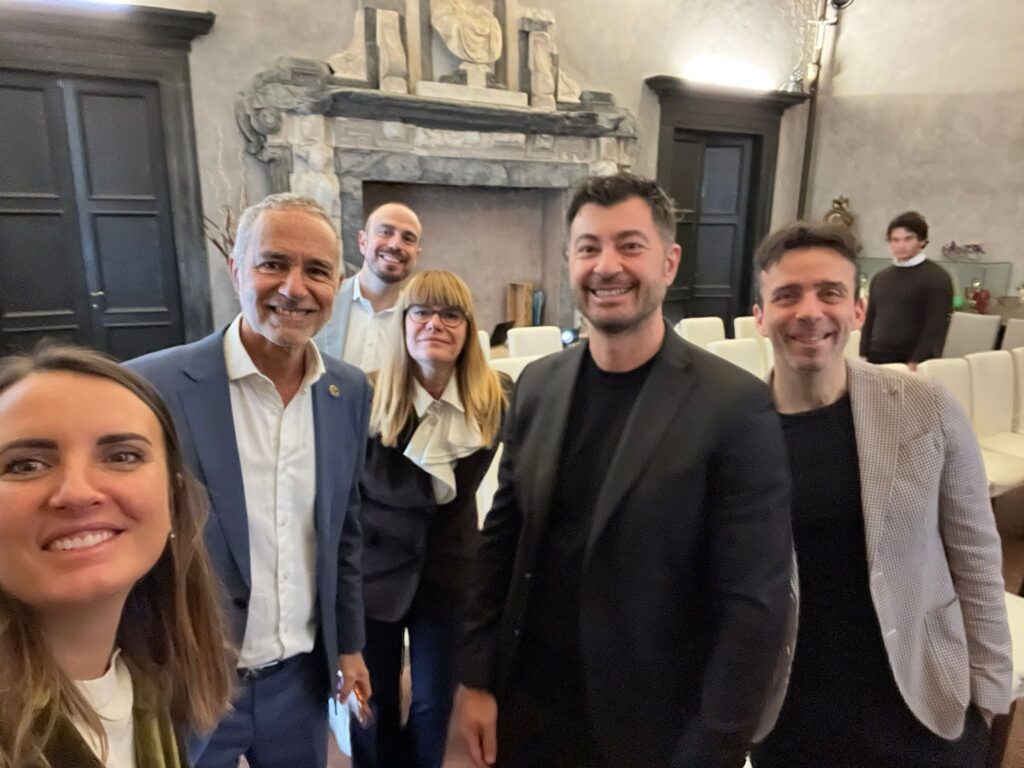
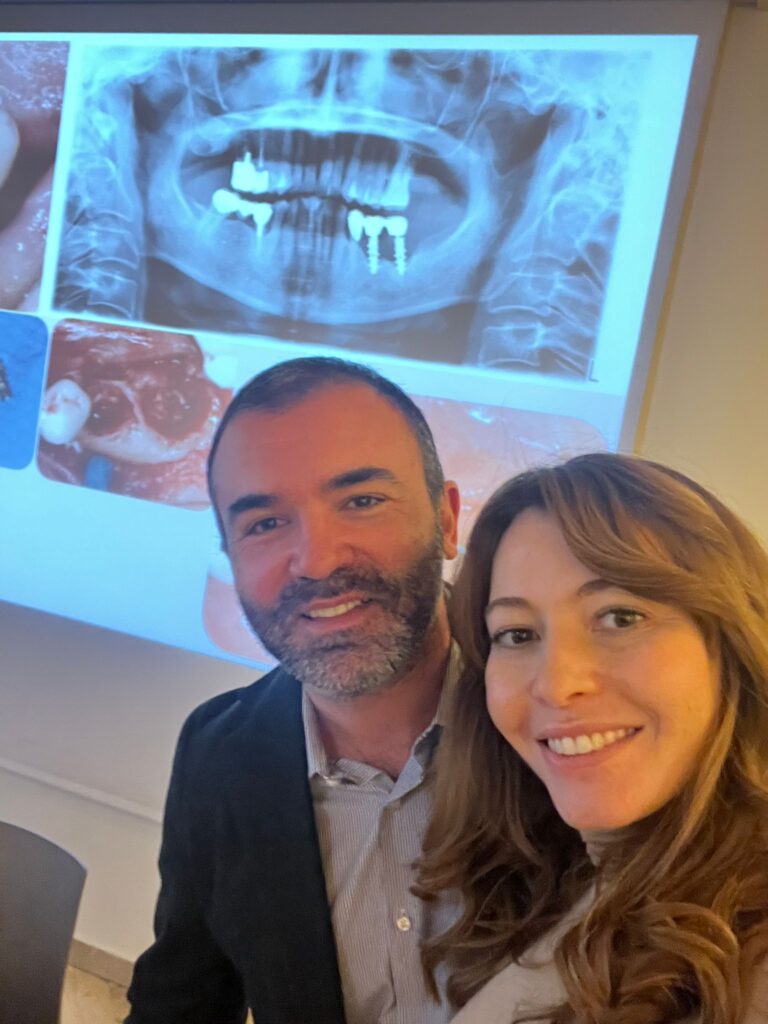
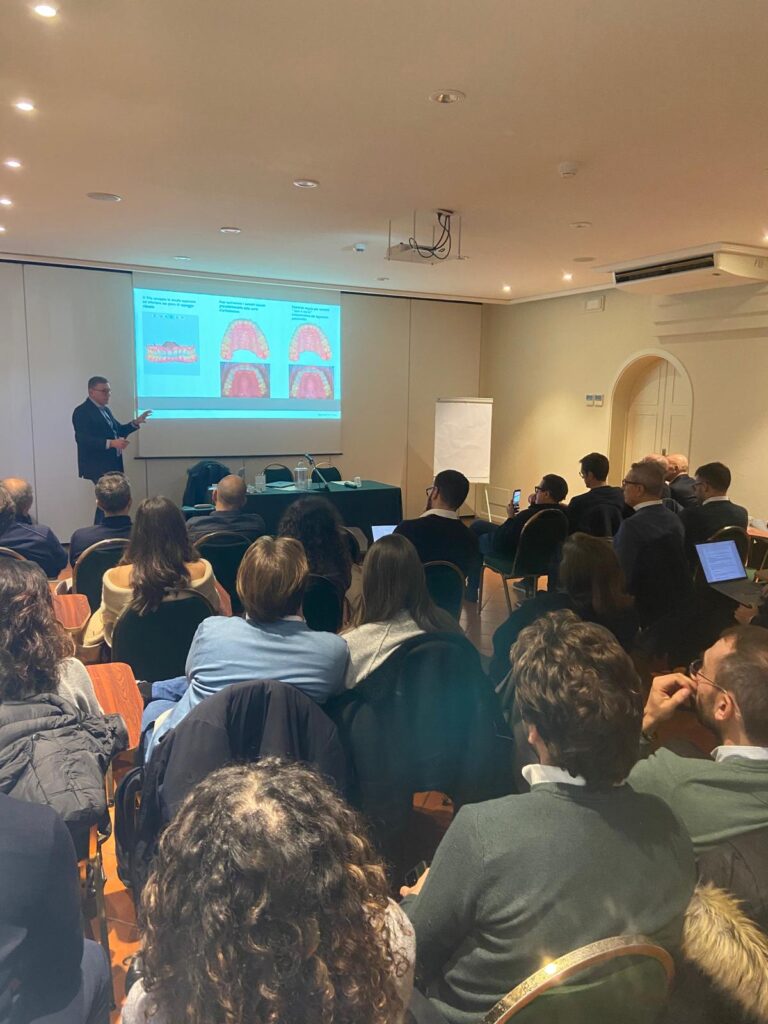
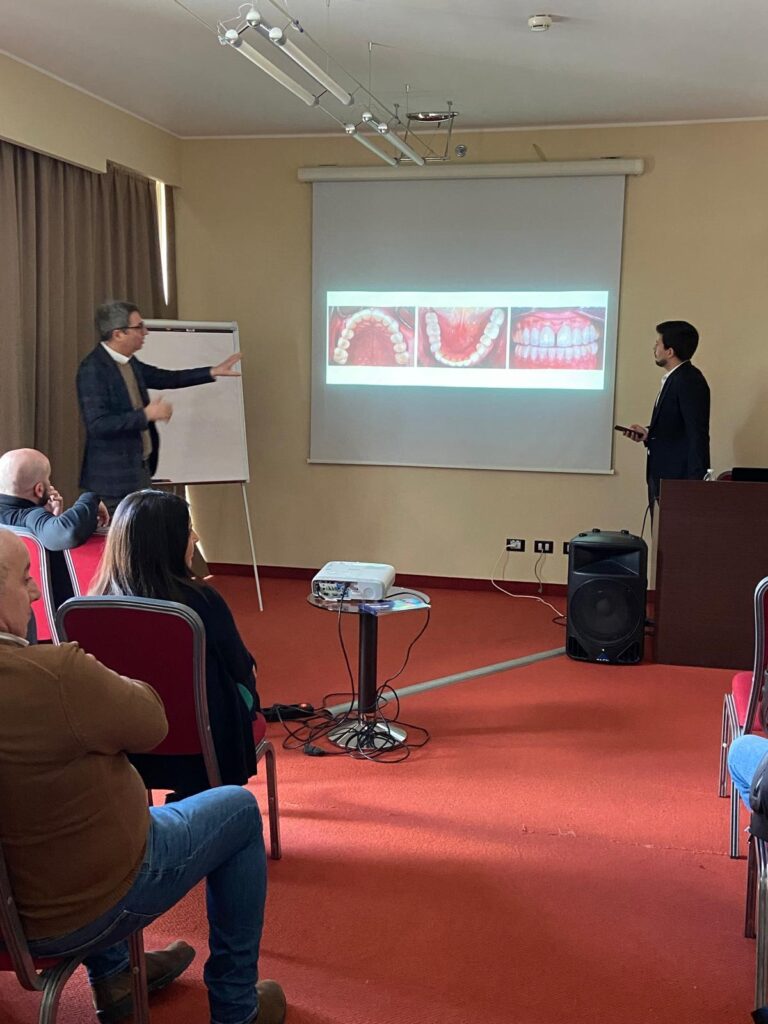
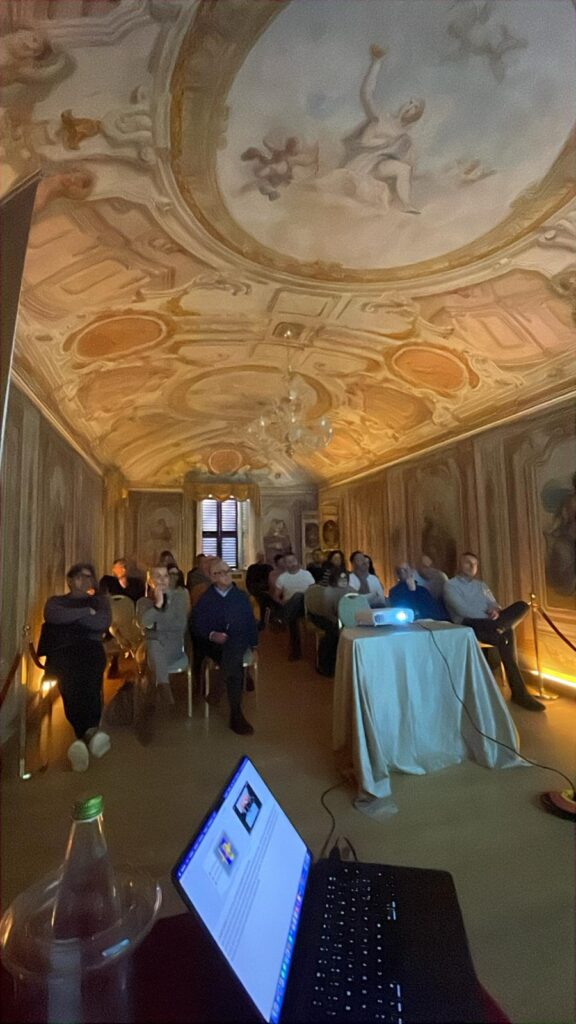
Scientific program across 18 cities
Each venue developed its own scientific focus, contributing uniquely to the collective experience.
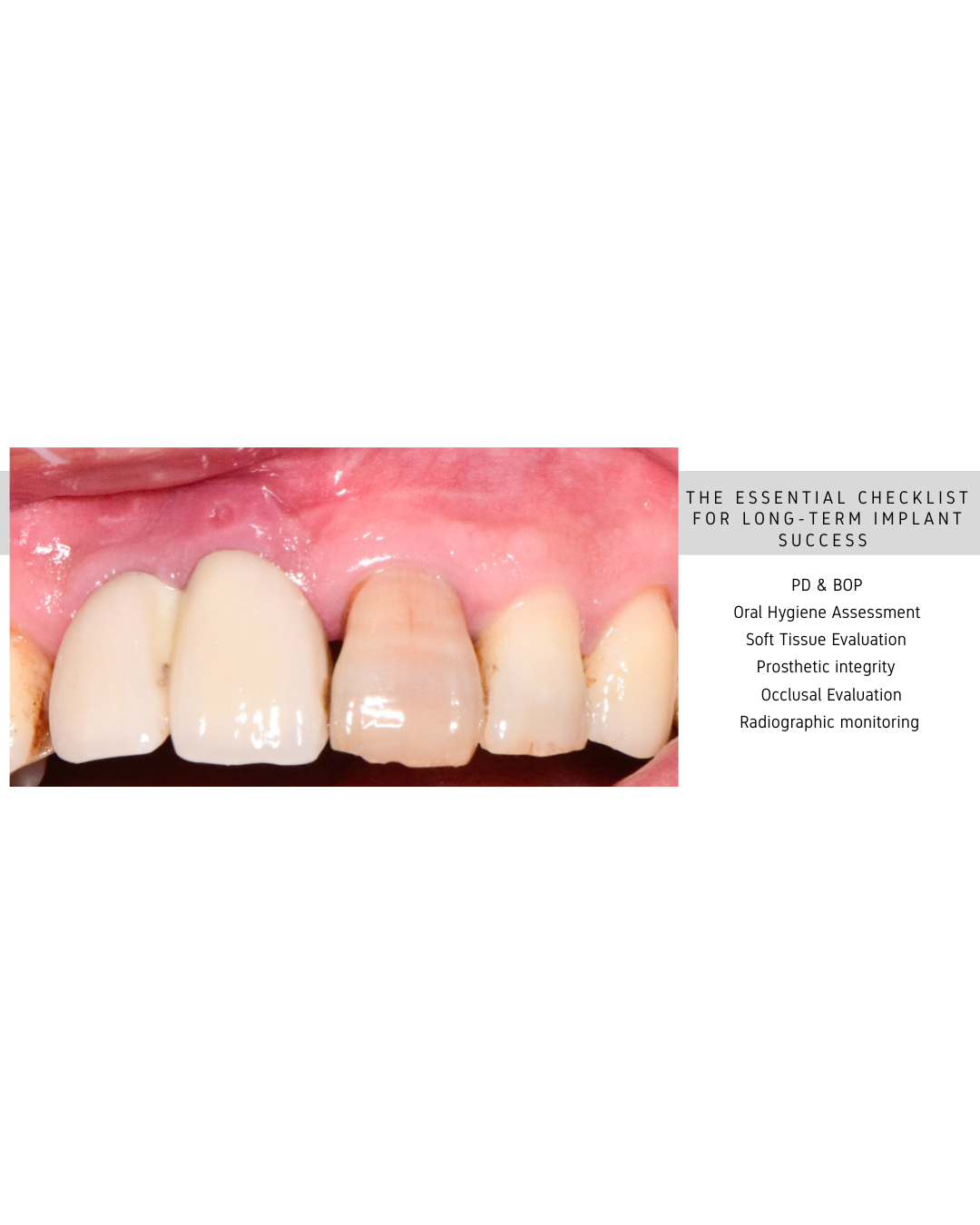
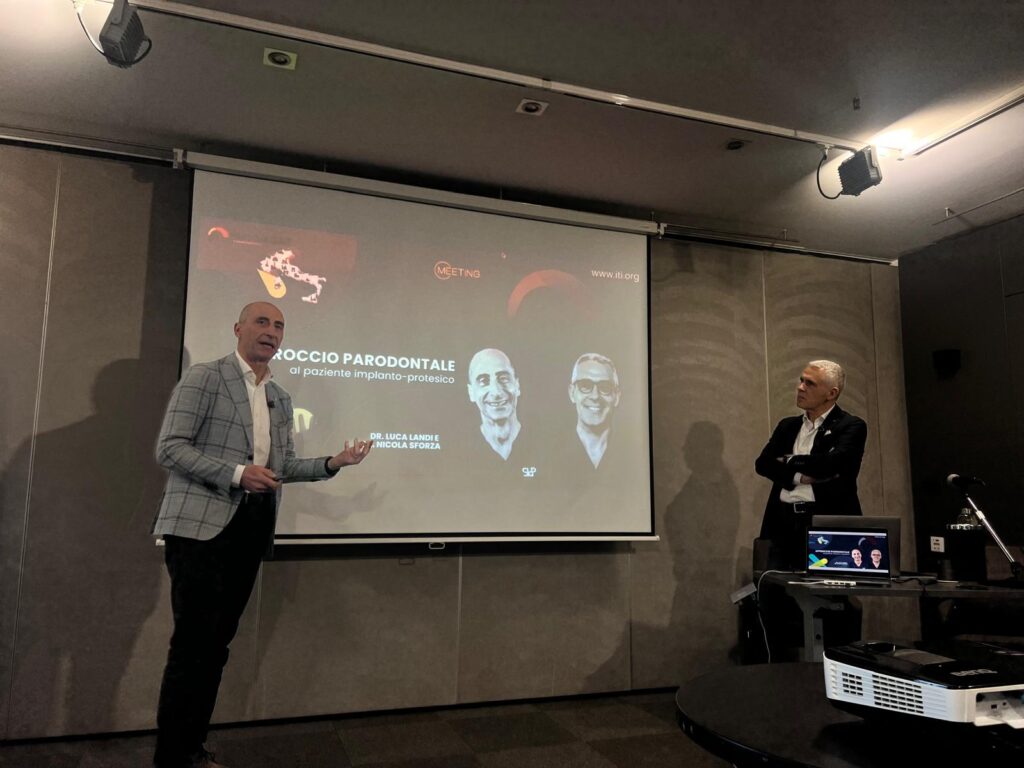
In Bari (30 participants), a joint meeting of 2 Study Clubs (Bari and Apulia), Dr. Luca Landi and Dr. Nicola Sforza presented Periodontal Approach to the Implant-Prosthetic Patient, emphasizing the biological foundations of long-term implant success.
In Lecce (19 participants), the single event organized by Study Club Lecce, Dr. Luis Azevedo delivered FROM SCAN TO SMILE: The Digital Evolution of Reconstructive Dentistry, illustrating the transformative potential of digital workflows.
Milan gathered 73 participants in a joint event involving 5 Study Clubs (Milano, Milano 2, Monza/Brianza, Pavia and Varese). Dr. Alberto Pispero and Dr. Federico Rivara addressed The Patient and Their Complexities: From Systemic Conditions to Esthetic Challenges, highlighting comprehensive patient-centered care.
In Genoa (44 participants), during the single meeting organized by Study Club Genova, Dr. Nadia Testa, Dr. Luca Carboni and Dr. Valerio Marconi explored Strategies to Address the Challenges of Tomorrow’s Dentistry, offering forward-looking reflections on clinical and organizational change.
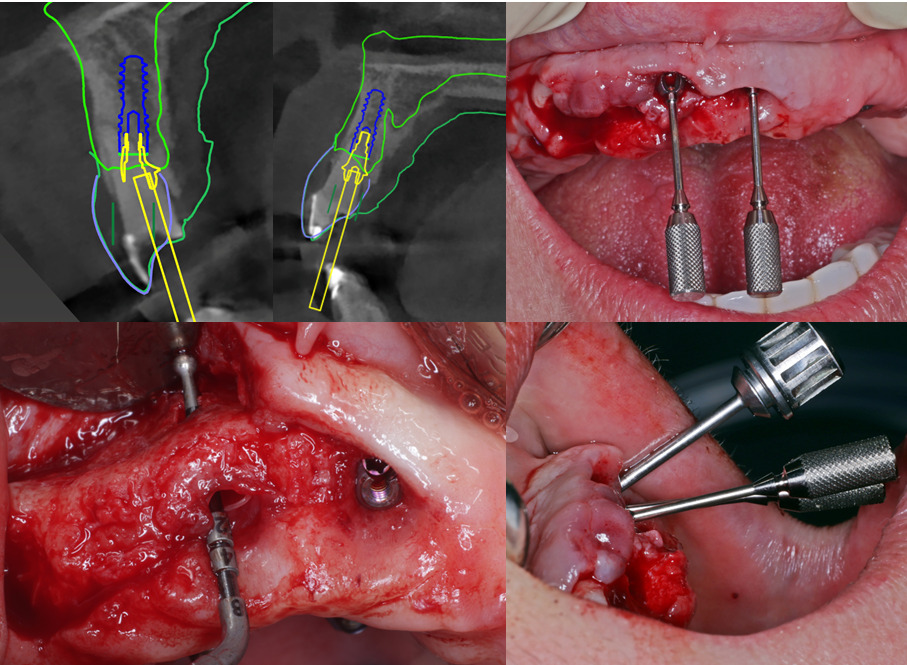
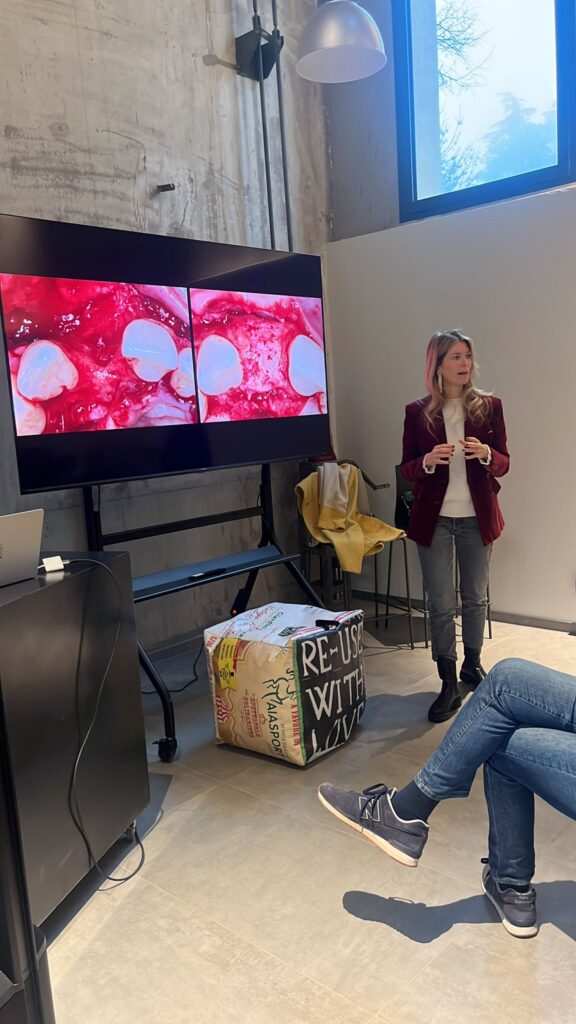
Bologna (38 participants) hosted a joint event of 3 Study Clubs (Bologna, Emilia-Romagna and Padova), where Dr. Isabella Rocchietta presented GBR in the Treatment of Alveolar Defects: Surgical Protocols and Management of Potential Complications, providing a structured regenerative framework.
In Florence (25 participants), the single event organized by Study Club Firenze, Dr. Fabio Carboncini introduced A New Method for Occlusal Management in Prosthodontics: The Conforganizational [AD1] Approach, stimulating discussion on functional integration.
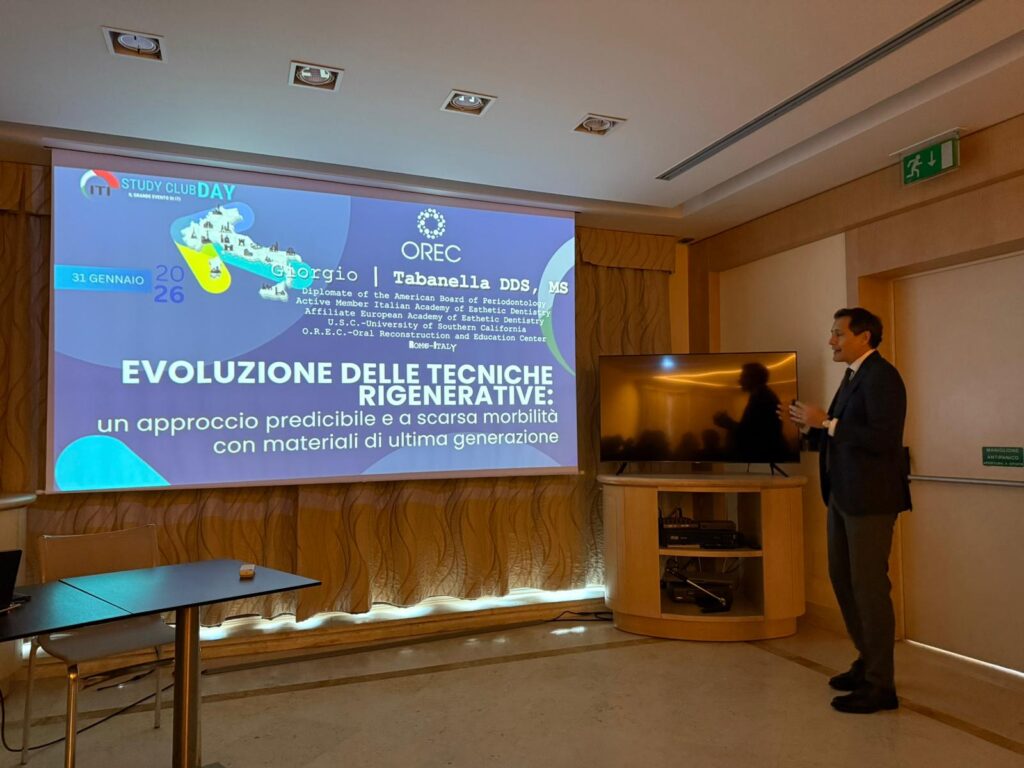
Grosseto (24 participants) brought together 2 Study Clubs (Study Clubs Grosseto and Versilia) in a joint meeting where Dr. Giorgio Tabanella discussed the Evolution of Regenerative Techniques, focusing on predictability and reduced morbidity with next-generation biomaterials.
In Perugia (30 participants), the single event organized by Study Club Perugia, Dr. Emanuele Camaioni addressed Operative Strategies and Functional Aspects for Implant-Prosthetic Success in Complex Cases, reinforcing meticulous planning and functional balance.
Ancona (28 participants), during the single meeting of Study Club Marche, featured Dr. Alessandro Rossi on Regenerative Techniques for Pre- and Peri-Implant Tissues, emphasizing tissue preservation and reconstruction.
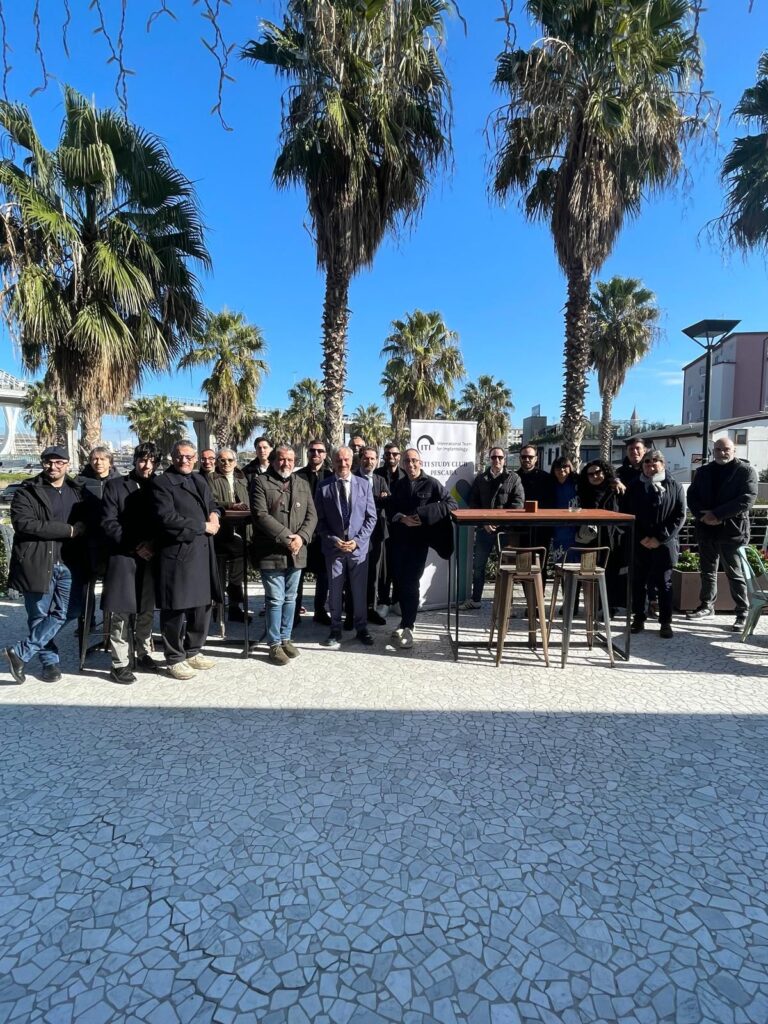
In Pescara (26 participants), at the single event organized by Study Club Pescara, Dr. Stefano Granata and dental technician Giuliano Vitale highlighted interdisciplinary synergy in Communication Between Clinic and Laboratory in New Digital Workflows: Planning, Surgery and Prosthetic Delivery.
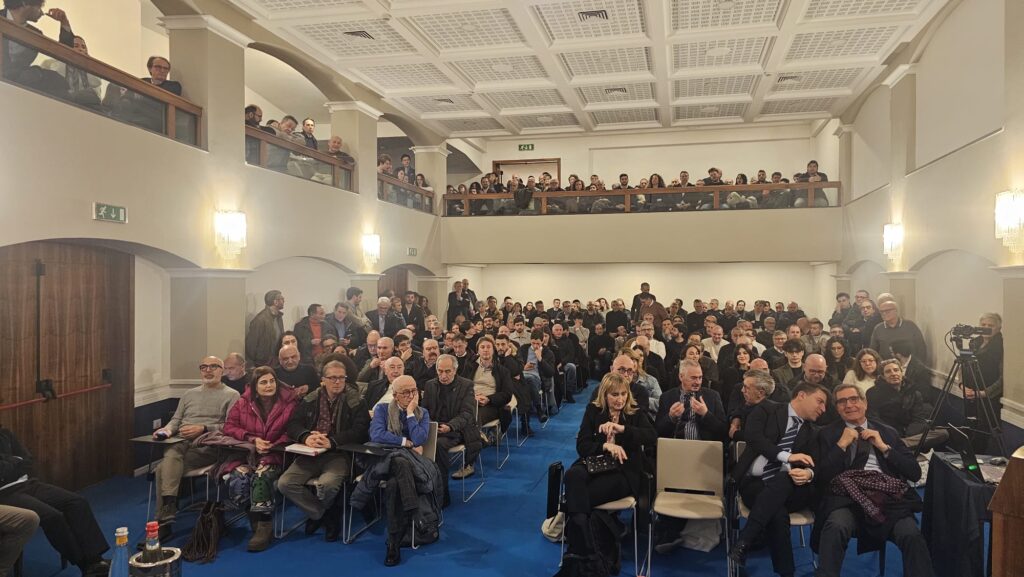
The highest attendance of the day was recorded in Vietri sul Mare, where 280 participants gathered for a joint event by 2 Study Clubs (Study Clubs Napoli and Campania). Dr. Francesco Cairo presented The Importance and Management of Soft Tissues Around Teeth and Implants, reaffirming the central role of biology in implant therapy.
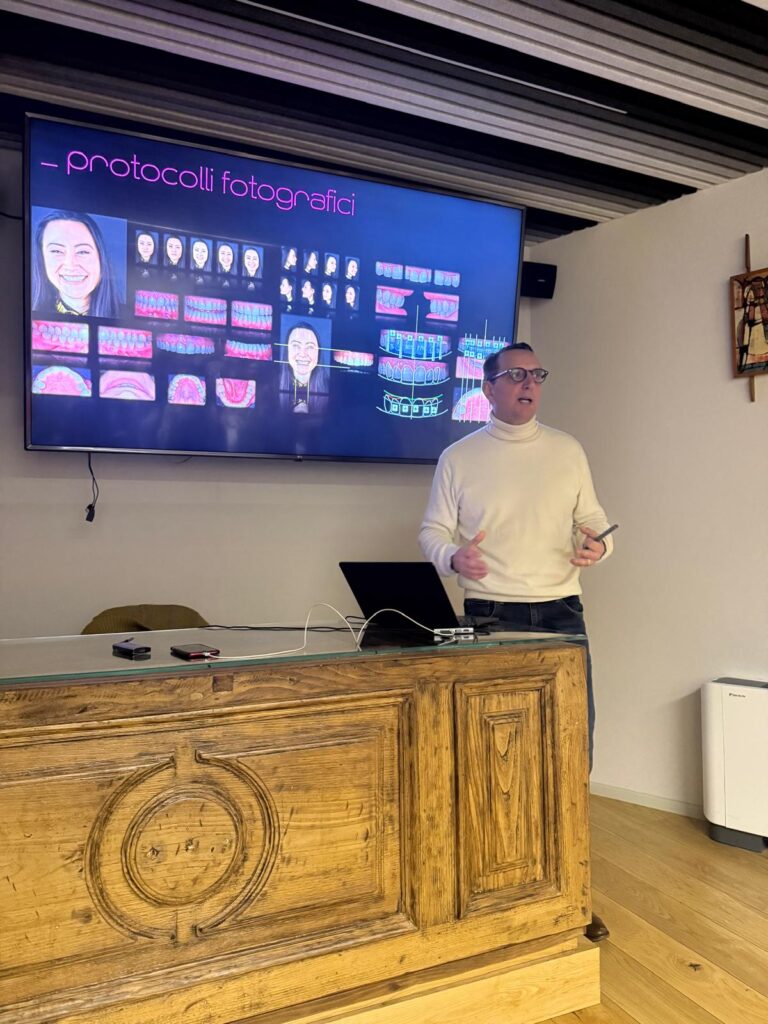
In Lamezia Terme (29 participants), during the single meeting organized by Study Club Lamezia Terme, Dr. Pier Carlo Frabboni and Dr. Giuseppe Mignani bridged esthetics and technology in From Digital Planning with SmileCloud 3DNA to the Final Smile Outcome.
Catania (30 participants), at the single event hosted by Study Club Sicilia Est, welcomed Dr. Claudio Mariconti, who explored technological innovation in Intraoral Scanners: Technological Innovations for Daily Clinical Practice.
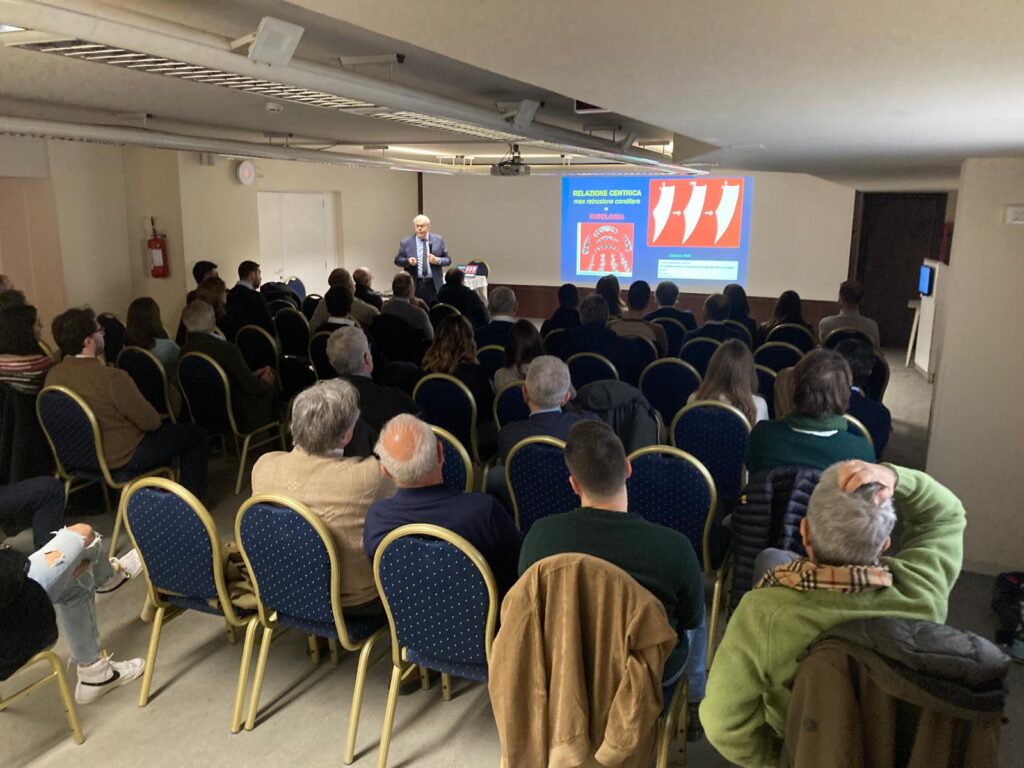
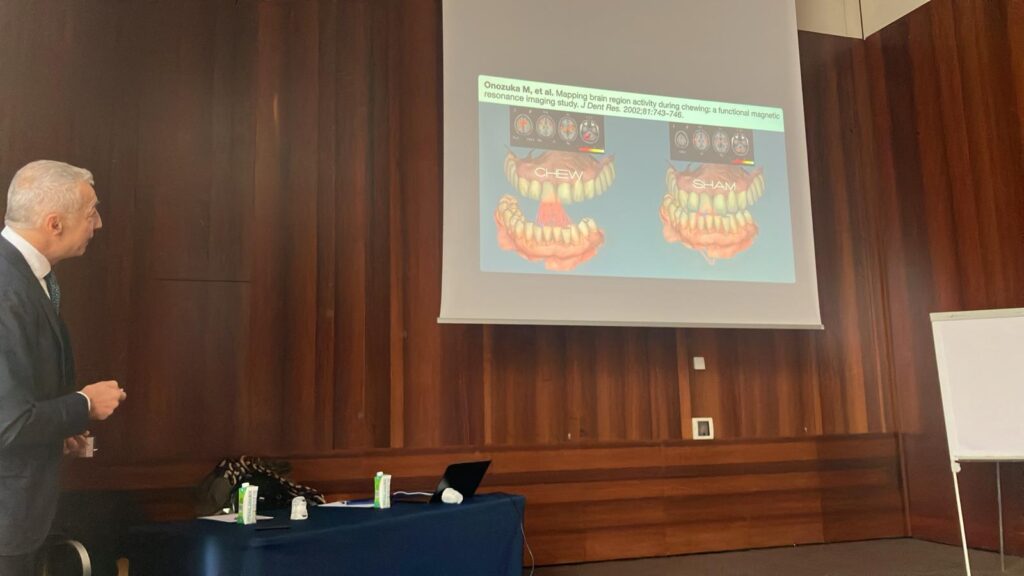
In Palermo (50 participants), a joint event by 2 Study Clubs (Palermo and Panormous), Dr. Piero Silvestrini Biavati reflected on Everyday Gnathology, reconnecting daily practice with functional fundamentals.
Cagliari (26 participants), during the single meeting organized by Study Club Cagliari, hosted Dr. Lucrezia Paternò Holtzmann, who focused on Peri-Implant Health and Disease Management as the key to long-term clinical stability.
In Bolzano (30 participants), at the single event promoted by Study Club Bolzano, Dr. Giovanni Giorgetti explored Oral Surgery 5.0: Precision, Accuracy and Predictability from Clinical Practice to Artificial Intelligence, linking clinical excellence with emerging technologies.
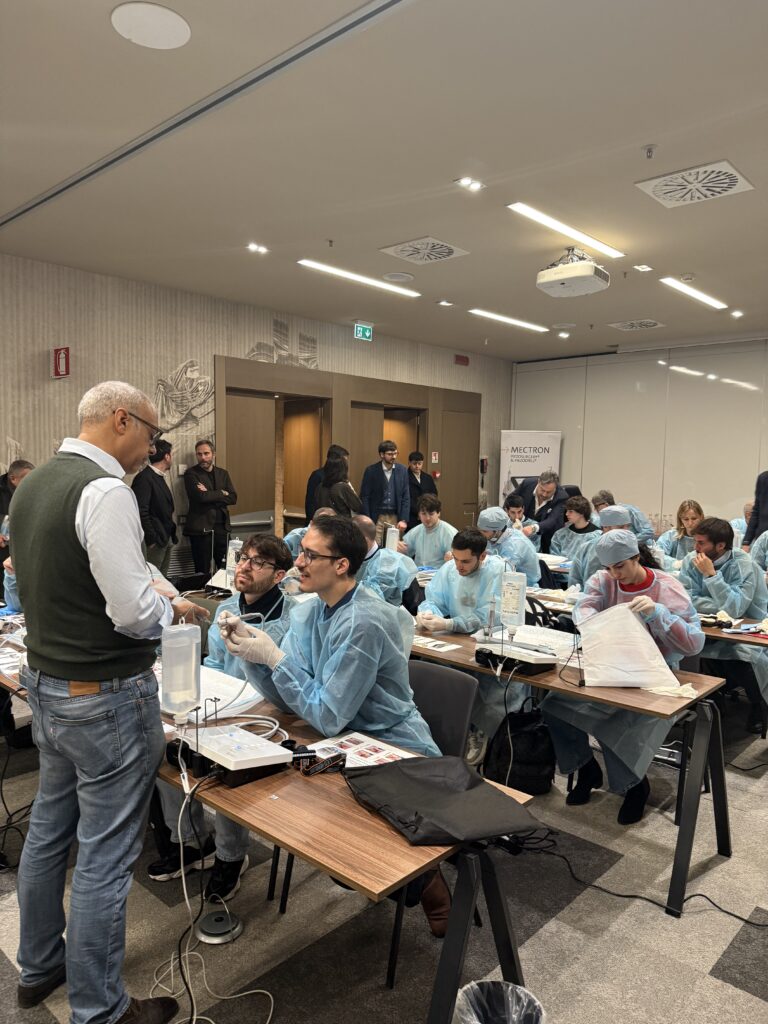
Rome gathered 82 participants in a joint meeting of 4 Study Clubs (Roma, Roma 2, Lazio and Umbria). Dr. Jason Motta Jones conducted a hands-on session on Piezosurgery in Impacted Third Molar Extractions, offering practical surgical experience.
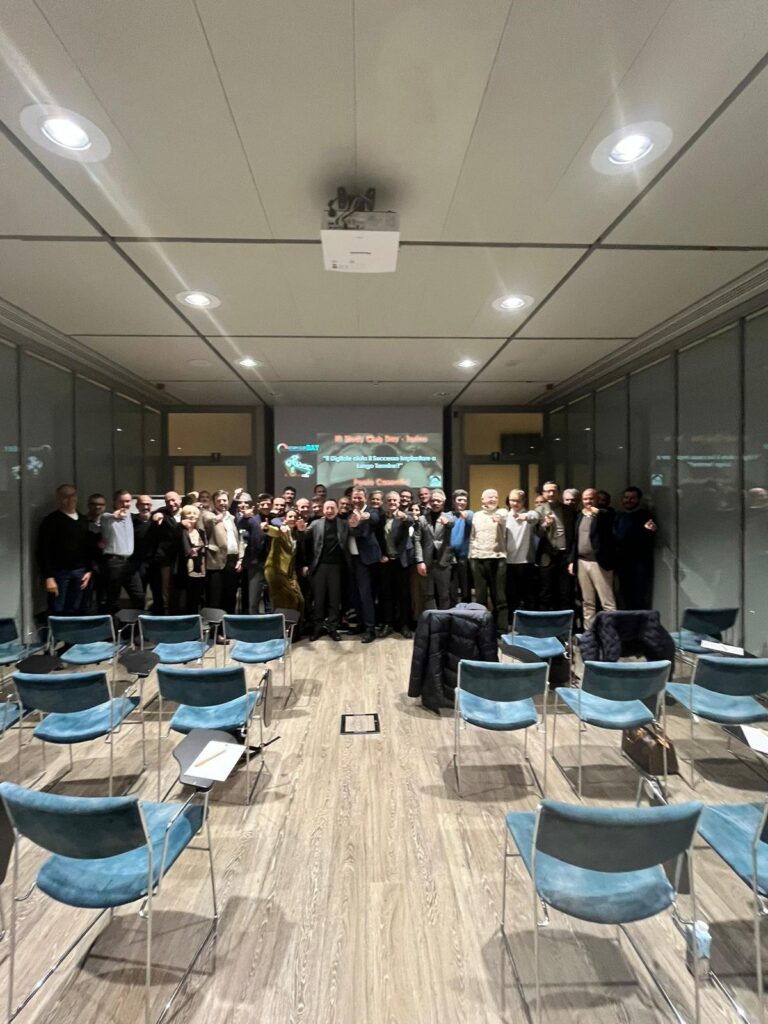
Finally, Turin (37 participants) hosted a joint event involving 3 Study Clubs (Torino, Torino 2 and Cuneo), where Dr. Paolo Casentini addressed a forward-looking question: Does Digital Dentistry Enhance Long-Term Implant Success?
Beyond numbers: a community in motion
The increase from 631 participants in 2025 to 901 in 2026 means more than growth – it reflects deeper engagement, stronger identification with the format, and a maturing sense of belonging within the Italian ITI community.
Study Club Day has become proof of what nationwide unity looks like in practice: a synchronized yet decentralized model where autonomy and cohesion coexist, and where Fellows, established experts, and emerging voices share a common scientific stage. Coordinating 18 simultaneous events across the country demands vision, trust, and commitment – and the Study Club Directors delivered all three.
Two editions in, Study Club Day is no longer an experiment. It is a consolidated, forward-looking educational model –not just a congress, but a living network of professionals bound by scientific rigor and a genuine sense of community.
ITI Study Clubs
Your local opportunity to network with peers and discuss the latest treatment approaches in implant dentistry.
There are more than 900 ITI Study Clubs worldwide. Study Club meetings are free to ITI Fellows and Members while non-ITI Members can attend two meetings free of charge as guests before taking out membership.